

Is the “rule of 10” a strict rule or a helpful guide? It seems to be both, but what does it really mean?
In medicine, people often think it’s a time limit. But, it’s not always true. The U.S. Food and Drug Administration focuses on monitoring and patient safety, not just replacing devices by a certain time.
So, what does the rule of 10 implant mean in dentistry? It’s not about counting down. It’s a way to plan dental work to avoid problems.
Understanding the rule of 10 implant starts with a simple idea. It’s about looking at the patient’s anatomy and needs first. This approach helps make better decisions for dental care.
This article will explain the dental rule, how to apply it, and its importance. It will also talk about the dangers of using it without thinking about the patient’s needs.
Key Takeaways
- what is the rule of 10 implant? It is a planning heuristic, not a time-based expiration rule.
- Repeated “10-year” claims in other implant fields often reflect study reporting intervals, not mandatory replacement timelines.
- Understanding the rule of 10 implant means prioritizing objective measurements and patient-specific risk.
- The rule 10 implant meaning in dental practice centers on predictable biomechanics and prosthesis support in the mandible.
- CBCT, restorative setup, and occlusal planning help confirm whether the guideline fits the patient’s anatomy.
- Clear definitions reduce avoidable anxiety and help prevent both overtreatment and under-treatment.
What is the rule of 10 implant?

Patients often say they have a 10-year rule for implants, thinking they need to be replaced after 10 years. But, this is not true. The rule of 10 implant is about checking if a full-arch plan has enough bone and space for stability.
The rule of 10 implant is a quick way to check if a full-arch plan is possible. It focuses on the bone and space needed, not on myths that can cause extra work.
Rule 10 implant meaning in plain language
The simple meaning is: “Does the measurement support a full-arch outcome?” It checks if the bone and space can handle chewing forces well.
Using “10” without context can be misleading. It started as a planning tool but can become a myth. Patients might think they need procedures on a fixed timeline, not based on findings.
Understanding the rule of 10 implant as three measurement-based guidelines
“10 mm” was used in early implant protocols. Drills were cut 10 mm deep, and implants were about 9 mm long. But, by the 1990s, implants came in different sizes and lengths.
Today, planning focuses on what can be measured. For example, a minimum bone height of 12 mm is often needed for long-term support, as shown in available bone and implant treatment planning.
| Clinical checkpoint | What gets measured | Why it matters in mandibular full-arch cases | How it’s typically verified |
|---|---|---|---|
| Bone height threshold | Residual ridge height above vital anatomy | Supports implant length, primary stability, and long-term load tolerance | CBCT review and cross-sectional measurements |
| Restorative space | Ridge crest to planned occlusal plane | Prevents over-contoured prostheses and protects components from overload | Wax rim or denture setup with radiographic guide |
| Implant distribution | Anterior–posterior spread and planned cantilever | Improves force distribution and reduces bending moments on the framework | Digital planning with prosthetic-driven implant positioning |
Rule of 10 implant in dentistry vs. general “implant planning” rules
The rule of 10 implant is based on measurements, not time. It’s like a safety checklist, not a promise of longevity. Implants can last decades with proper care, but problems often come from disease, occlusion, or wear.
Clear messaging helps set realistic expectations. Studies show implants have a 97% success rate over 10 years. They are the only tooth replacement option that stimulates bone growth, as seen in clinical comparisons of implants versus other options.
Who it applies to most often: mandibular edentulism and full-arch prostheses
The rule is most used for full-arch prostheses in the mandible. These cases need careful planning because the prosthesis must handle strong bite forces.
The rule supports patient care by focusing on measurable goals. It helps explain why some cases need extra planning or diagnostics before surgery.
Dental implant rule of 10 explanation: the three “10 mm” requirements
In mandibular full-arch care, planning is key to avoid last-minute changes. This rule of 10 ties three “10 mm” checks to anatomy, design, and force control. It helps teams speak the same language from surgery to restorative steps.
These benchmarks are crucial. They ensure a predictable procedure by checking bone, space, and implant distribution early. This way, the case avoids narrow paths set by components, occlusion, and cantilevers.
Minimum mandibular bone height of at least 10 mm for predictable implant placement
The first “10” is about bone height: at least 10 mm of vertical mandibular bone. More bone means better implant placement and less need for risky surgical choices.
Studies show a turning point at 12 mm, where less augmentation is needed and two-implant strategies are preferred. This is outlined in this implant planning survey. The key is that anatomy limits what the prosthesis can do.
Minimum restorative space of at least 10 mm from ridge crest to occlusal plane
The second “10” is about space: at least 10 mm from the ridge crest to the occlusal plane. This space is crucial for fitting abutments and prosthetic materials without compromising quality.
When space is tight, even careful planning can lead to mechanical risks. This includes stripped screws and hard-to-clean transitions. It often leads to early decisions on occlusal plane setup and whether to reduce or crowd components.
Minimum anterior-posterior spread of at least 10 mm for implant-supported fixed prostheses
The third “10” is about distribution: at least 10 mm of A–P spread for fixed designs. A wider spread supports load sharing and limits cantilevers that increase forces.
For clinicians, measuring spread on the planned map is key. A short spread can lead to higher stress and more frequent maintenance later.
Why these measurements matter biomechanically: bending moments, cantilevers, and load transfer
All three “10s” highlight the same biomechanical truth: reduced bone, space, or A–P spread increases bending moments. Longer cantilevers amplify leverage, leading to overload and potential complications.
A clear explanation of the dental implant rule of 10 focuses on early verification and timely adjustments. This approach makes the procedure more about controlling load transfer with measurable steps.
Importance of rule of 10 implant for treatment planning and prosthesis longevity
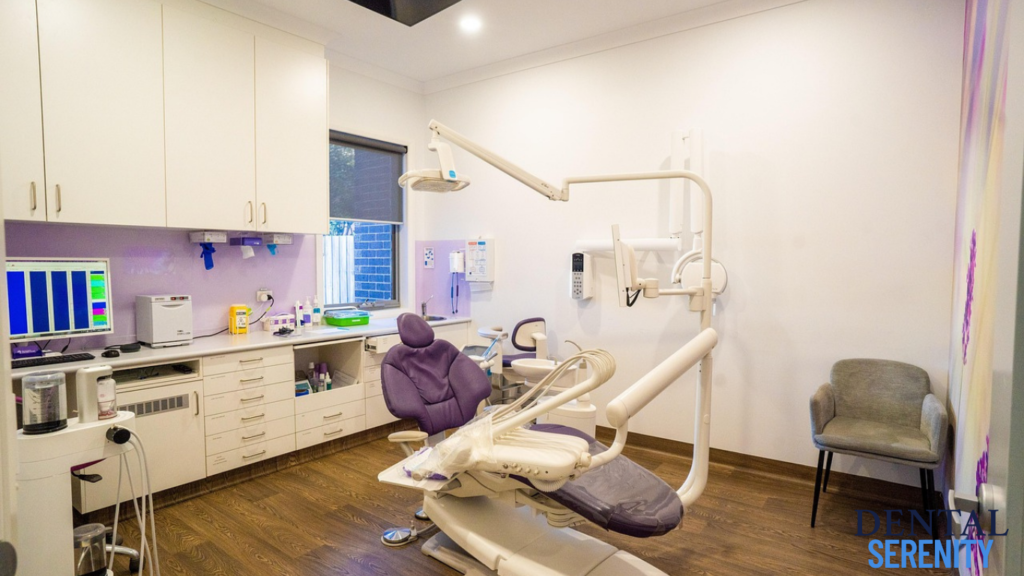
In mandibular full-arch care, success often depends on prosthetic design, not just implant integration. The rule of 10 implant turns key risk factors into numbers a team can check early. It supports clearer decisions before surgery sets a plan.
Why prosthetic complications can be more common than implant failure in mandibular full-arch cases
Implants may stay stable while the prosthesis faces wear, screw loosening, or fracture. These issues build slowly, then show up as occlusal changes or sore spots. Planning with the rule of 10 implant limits misfit and force patterns.
Benefits of rule of 10 implant for overdentures vs. fixed implant-supported prostheses
The rule of 10 implant benefits show when choosing the right restoration. When the “10s” are met, a fixed prosthesis is easier to stabilize. When not met, an overdenture is more maintainable and forgiving.
| Planning checkpoint | When the “10s” are verified | When the “10s” are limited | Clinical impact on prosthesis choice |
|---|---|---|---|
| Bone height and implant site predictability | More predictable implant positioning with fewer compromises | Higher chance of short implants, altered angulation, or reduced options | Fixed may be considered when support and position are favorable; overdenture can reduce biomechanical demands |
| Restorative space to build components and tooth form | Adequate room for framework strength and cleansable contours | Risk of thin acrylic, weak connectors, or bulky contours | Overdentures can tolerate limited space better; fixed requires adequate clearance for durability |
| Anterior-posterior spread and cantilever control | Improved leverage management and load transfer | Greater bending forces and higher repair burden | When spread is limited, overdenture often lowers complication risk and simplifies maintenance |
How clinicians measure and verify the “10s” using dentures, occlusal plane planning, and CBCT with a radiographic stent
Verification is where the rule of 10 implant in dentistry becomes practical. Clinicians start with a diagnostic denture to map the occlusal plane. A CBCT with a radiographic stent then provides a shared reference for bone height and implant trajectory.
For full-arch approaches with fewer implants and immediate loading, the same mindset supports predictable day-of-surgery function. The All-on-4 workflow described in All-on-4 implant planning aligns with this idea—two anterior implants in denser bone and two posterior implants angled to increase bone contact.
When surgery may modify anatomy to meet the rule: alveolectomy to gain width and restorative space
Sometimes, the prosthesis needs more room than the ridge has. Alveolectomy can make space, widen, and clear components. The rule of 10 implant helps decide when bone reshaping is needed.
Conclusion
In the U.S., the rule of 10 implant is a guide for dental care. It’s not a slogan or a 10-year rule. It looks at three important measurements.
These measurements are at least 10 mm of bone space, 10 mm for the crown, and an A-P spread over 10 mm for fixed prosthetics. This rule keeps the focus on patient care, not just numbers.
It’s about giving each patient the right treatment, not just following a number. Regular check-ups and imaging are important, not just a set time frame.
When these measurements are confirmed, planning and design get easier. It shows why sometimes, more work is needed to support the implants. This is explained in Rules of 10 guidelines.
If the measurements don’t fit, the rule helps explain other options. This could be different dentures, more implants, or a staged approach. It also helps answer patients’ main question: how long will my implants last.
Outcomes and healing times are seen as part of the value and care plan, not just a countdown. This approach is in line with what Dental Serenity shares about implants’ durability.
FAQ
What is the rule of 10 implant?
The rule of 10 implant is a tool in dentistry. It checks if there’s enough bone and space for a stable implant. It’s not about replacing implants every 10 years.
What is the rule of 10 implant, and why do clinicians keep repeating it?
Clinicians use “10” because it’s easy to remember. But, the rule of 10 implant actually refers to specific dental measurements. Without context, it can lead to confusion.
Rule 10 implant meaning—what does “10” refer to in plain language?
The rule 10 implant meaning is simple. “10” stands for millimeter checks to see if a full-arch plan works. It’s a way to check, not a promise of success.
Is the implant rule of 10 a “10-year replacement” rule?
No. The implant rule of 10 is not a calendar rule. It’s often mixed up with myths about replacing implants every 10 years. In reality, it’s about when a replacement is needed, not just by time.
What is the dental implant rule of 10 explanation clinicians should give patients?
A good dental implant rule of 10 explanation is that it’s a planning tool. It helps check if there’s enough bone and space for a full-arch prosthesis. This makes decisions safer and reduces problems.
What are the three measurement-based “10s” in understanding the rule of 10 implant?
A: Understanding the rule of 10 implant means checking three things. You need enough bone, space for the prosthesis, and implants spread out right. These are checked with tests, not guesses.
What does “minimum mandibular bone height of at least 10 mm” mean for planning?
It means there’s enough bone for implants to work well. The rule of 10 implant in dentistry helps place implants safely. This reduces risks from not enough bone.
What does “minimum restorative space of at least 10 mm” mean from ridge crest to occlusal plane?
It means there’s enough space for a prosthesis without problems. If space is tight, the design might not work well. This can lead to mechanical issues.
What does “minimum anterior-posterior spread of at least 10 mm” mean in full-arch cases?
It means implants are spread out enough for a stable prosthesis. This helps manage forces and improves the prosthesis’s life.
Why do these 10 mm measurements matter biomechanically?
These measurements affect how well the prosthesis works. If they’re not right, stress can build up. This can lead to problems like loosening. Planning based on measurements helps avoid these issues.
How is the rule of 10 implant in dentistry different from generic “implant planning rules” patients hear online?
The rule of 10 implant in dentistry is a practical guide for full-arch planning. Online “rules” often focus on replacing implants by time. Dental planning is about anatomy, design, and managing risks.
Who does the rule of 10 implant procedure apply to most often?
The rule of 10 implant procedure is mainly for those without teeth in the lower jaw. Managing space and forces is key for long-term success.
Why can prosthetic complications be more common than implant failure in mandibular full-arch cases?
Even if implants work well, the prosthesis can still have problems. Issues like misfit or wear can happen. The rule of 10 aims to catch these problems early.
What are the benefits of rule of 10 implant planning for overdentures versus fixed full-arch prostheses?
The benefits of rule of 10 implant planning help choose the right prosthesis. If the “10s” are met, fixed options might be better. If not, an overdenture could be safer and easier to care for.
How do clinicians measure and verify the “10s” in a full-arch plan?
Clinicians use records and tests to check the “10s”. They look at denture planning, occlusal planes, and CBCT scans. This approach helps make sure the plan is safe and effective.
When might surgery be used to meet the rule of 10 implant requirements?
Surgery might be needed to gain space for a better prosthesis. This is done to avoid a bad design. Surgery should only be done when it’s really needed.
FAQ
Q: Why is the importance of rule of 10 implant emphasized in evidence-based treatment planning?
A: The rule of 10 implant keeps plans real. It helps make safe choices and avoid extra treatments. This makes treatments more successful.
Q: What should clinicians say when patients ask if implants “expire” after 10 years?
A: Clinicians should say that “10-year” talks are about study results, not when to replace. Decisions should be based on symptoms and tests, not just time.
Q: What is the rule of 10 implant used for during maintenance and follow-up?
A: The rule of 10 implant keeps implants working well over time. Follow-up checks check how the prosthesis fits, implant stability, and tissue health. This helps catch and fix small problems before they get big.