
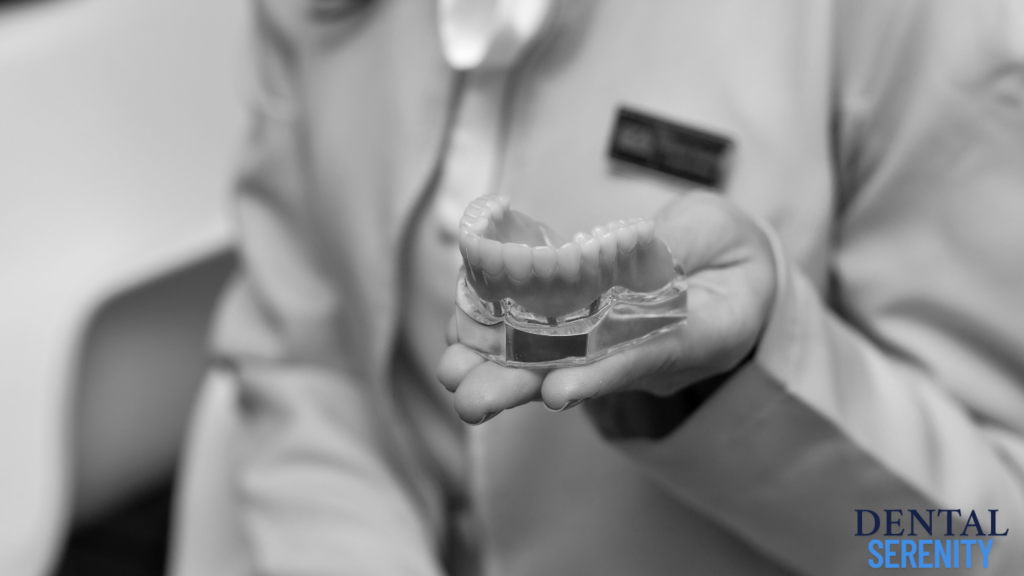
Do you get temporary teeth while waiting for dental implants, or do you really have to live with missing teeth for months?
Many adults in the United States fear dental implants because of this. But, the good news is that temporary teeth are often available. Most people do not have to go without teeth for long.
The choice of temporary teeth depends on your mouth, the implant site, and how your gums heal. They are not just for looks. They help you speak and chew better and keep other teeth from moving.
They also protect the implant area and soft tissue while your dentist checks on healing. The time without teeth can vary, but many choose temporary teeth during this period.
Clinics like Riverbend Family Dentistry Jupiter in Florida, Dr. Batz & Weiner Family Dentistry in Maryland, and Radiant Dentistry of New Port Richey in Florida often provide temporary teeth. They work with your dentist to plan your dental restoration. For more information, see this guide on temporary tooth options during the dental implant process.
This information is for education, not medical advice. A dentist should choose and adjust temporary teeth. This ensures your implants heal properly and you stay comfortable.
Key Takeaways
- Most patients can get temporary teeth while dental implants heal, so a visible gap is often avoidable.
- Temporary teeth can support appearance, speech, and day-to-day function during teeth replacement.
- They may help limit shifting of neighboring teeth near missing teeth during the healing phase.
- Some temporaries also help protect the implant site and gums while dental restoration is underway.
- The time without teeth can range from a few days to several months, depending on the treatment plan.
- The safest option is the one your dentist fits and monitors to protect healing and comfort.
Do you get temporary teeth while waiting for dental implants?
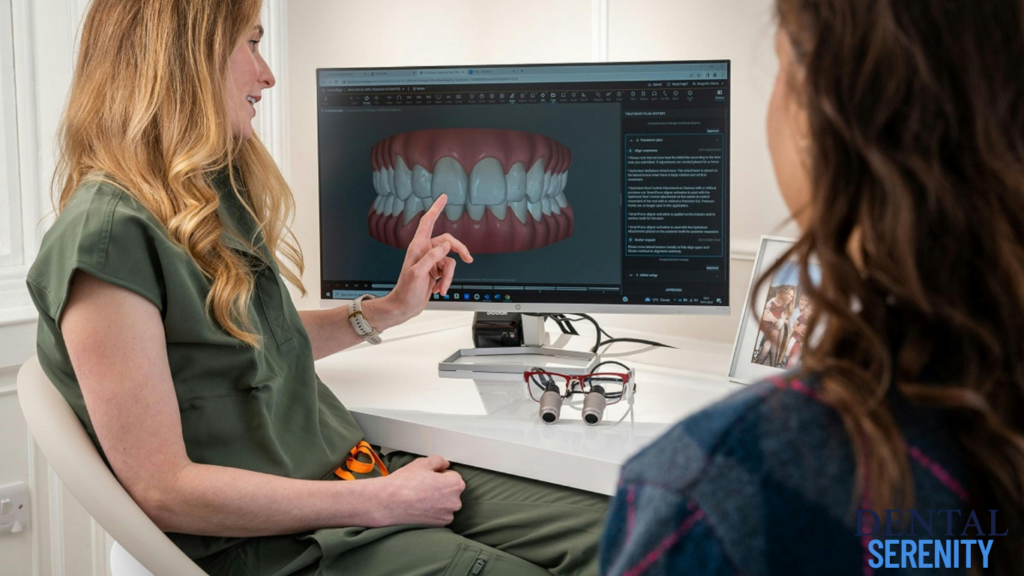
Many people wonder if they’ll get temporary teeth while waiting for dental implants. The answer varies based on the plan, tooth location, and healing after dental work. The goal is to keep your mouth healthy while restoring your teeth.
Why the waiting period exists: implant post healing and osseointegration
Dental implants start with a small titanium post in the jawbone. This post acts like a tooth root but needs time to stabilize.
The main reason for waiting is osseointegration. This is when the bone bonds to the implant. Healing usually takes three to six months, sometimes longer with extra steps.
Two-step dental implant process: implant placement, then abutment and crown
Most implants follow a two-step process for a strong final tooth. Waiting times vary from a few days to months, depending on the plan and any extra procedures.
- Consultation and planning: exam, digital X-rays, and a custom treatment map.
- Tooth extraction (if needed): healing often takes a few weeks; in select cases, an implant can be placed the same day.
- Implant placement: the titanium post is placed in the jaw.
- Healing/osseointegration: typically three to six months.
- Abutment and crown: a connector is added, then a custom crown that looks and feels natural.
Patients looking for a fuller smile during this time often discuss temporary teeth options with their dentist.
When a temporary tooth matters most: front teeth vs. back teeth and visible gaps
The gap’s location affects the decision for a temporary tooth. Front teeth gaps can impact confidence, especially in photos and conversations. Back teeth gaps might not need a temporary, but chewing comfort is important.
Dentists tailor the temporary approach to the implant number, location, and your goals. Regular check-ups ensure healing is progressing before the final crown.
| Gap location | Common patient concern | Why a temporary tooth may be chosen | What the dentist monitors during healing |
|---|---|---|---|
| Front teeth (high visibility) | Speech clarity and a visible gap when smiling | Supports social comfort and keeps spacing steady during teeth restoration | Gum healing, bite pressure, and appearance changes as swelling resolves |
| Back teeth (lower visibility) | Chewing balance and avoiding food traps | May improve function during dental procedures, even if the gap is hidden | Chewing forces, tissue health around the site, and signs of irritation |
Temporary teeth options during the dental implant healing period
Many patients want a smile and function during the healing phase of dental implants. Osseointegration, the bonding of the implant with bone, can take months. Temporary teeth fill the gap during this time.
So, do you get temporary teeth while waiting for dental implants? Yes, often. The right choice depends on comfort, looks, budget, and chewing needs.
Temporary partial dentures to replace missing teeth while you heal
One common choice is a removable acrylic appliance for one or more missing teeth. These are custom-made, affordable, and can be adjusted as gums change.
A flipper tooth is a lightweight denture for one tooth, often in the front. It can feel bulky or loose. It’s best for short-term use.
Retainers that cover your teeth and hide the gap during dental restoration
Clear tray retainers hold a temporary tooth in a thin plastic shell. They’re nearly invisible, comfortable, and keep teeth from shifting. They’re not for chewing.
They’re best for hiding a space and protecting oral health. For more options, patients often review temporary teeth options while implants heal with their dentist.
Temporary dental crown on the implant post: when it may be recommended
In some cases, a temporary crown or bridge is placed as a fixed option. It feels more like a natural tooth and supports clearer speech and easier chewing.
This option is not always suitable if the implant hasn’t integrated. It can be more expensive than removable options. A temporary crown may not be strong for tough foods.
| Option | Best for | Key benefits | Limits to know |
|---|---|---|---|
| Removable acrylic partial denture | Multiple missing teeth or broader coverage during dental restoration | Affordable, quick solution, removable for easy cleaning, easy to adjust | Can feel bulky or loose; not ideal for long-term wear |
| Flipper tooth | Short-term cosmetic teeth replacement for a front-tooth gap | Lightweight, cost-effective, simple to wear for photos and daily errands | Less stable; not great for chewing tough foods (like steak) |
| Clear tray retainer with a tooth | Discreet look while protecting spacing during teeth restoration | Nearly invisible, comfortable and lightweight, helps prevent shifting | Not suitable for chewing; needs regular cleaning |
| Fixed temporary crown/bridge | When stability and natural feel matter during dental implants healing | Fixed (not removable), more natural feel, better function for speaking and chewing | Not always suitable before integration; higher cost; avoid tough foods |
Practical tips to protect oral health: what to eat or drink with temporary teeth
Temporary teeth need gentle care. Soft foods and careful chewing reduce sore spots and protect oral health.
- Avoid biting ice or hard candy, which can crack a temporary restoration.
- Skip chewing on non-food items (like pen caps) that can loosen or damage the fit.
- Cut crunchy foods into small pieces and chew on the opposite side when possible.
- If you wear removable teeth replacement, clean it daily and follow any rinse instructions.
Over-the-counter temporary tooth kits are usually not recommended. They can irritate gums and disrupt healing. Regular dental check-ups let the team monitor progress and adjust as needed, as outlined in resources such as replace multiple teeth.
Smoking can slow healing and raise the risk of implant failure. Cutting back supports steadier teeth restoration. With the right plan, dental restoration can stay comfortable while the foundation for dental implants becomes secure.
Conclusion
For many, the answer to do you get temporary teeth while waiting for dental implants? is yes. Temporary teeth can make you look like yourself while healing. They also make daily life easier while your care team plans your final teeth replacement.
The right timing depends on the biology. Dental implants need osseointegration, where the bone bonds to the implant for strength. This healing usually takes 3 to 6 months. It may take longer after extractions, bone grafting, or other dental procedures.
A front-tooth gap is usually the biggest driver. This is because it shows when you speak or smile.
Comfort, appearance, function, and budget shape the choice. Common options include temporary dentures or a flipper. An Essix retainer that snaps over teeth to hide a space is also an option. Sometimes, a temporary crown or fixed temporary for All-on-4 is used when the implant is stable enough for early loading. A quick overview of these temporary teeth choices is outlined in temporary teeth while waiting for implants.
The most practical next step is a consultation. A dentist can map out dental restoration and confirm healing milestones. They can also adjust the temporary if it rubs or loosens. Dentist-guided temporaries are safest, as over-the-counter kits can irritate gums and disrupt the implant site.
Good brushing, gentle flossing, and follow-up visits protect the investment in dental implants. They support a long-lasting result.
FAQ
Do you get temporary teeth while waiting for dental implants?
Yes, most plans include temporary teeth. This is to avoid being toothless. The choice depends on your dental needs and health.
Will I have to go without teeth during the dental implant process?
Not usually. You might be without a tooth briefly. But many prefer a temporary tooth to cover the gap.
Why is there a waiting period before the final implant crown is placed?
A dental implant is a titanium post in the jawbone. The waiting period lets the bone bond with the implant. This bonding, called osseointegration, is crucial for a stable tooth. It usually takes 3 to 6 months.
What is the typical dental implant timeline from start to finish?
The process starts with a consultation and planning. This includes an exam and digital X-rays. If an extraction is needed, healing takes a few weeks. Sometimes, an implant can be placed the same day.
Next, the implant is placed, followed by 3 to 6 months of healing. Then, an abutment and a custom-made crown are added. This completes the dental restoration.
What are temporary teeth used for during implant healing?
Temporary teeth help with appearance and function. They keep your alignment and protect the implant site. This supports healthier dental restoration.
When do temporary teeth matter most—front teeth or back teeth?
Temporary teeth are crucial for front teeth because gaps are visible. For back teeth, some skip a temporary if the gap isn’t seen. A dentist will decide based on your needs.
What temporary teeth options are commonly used while waiting for dental implants?
Common options include a flipper tooth and an Essix retainer. A temporary bridge or temporary crown might also be used. For full-arch cases, a temporary fixed denture can be placed quickly.
What is a flipper tooth, and is it good for a front tooth gap?
A flipper is a lightweight, removable denture for one missing tooth. It’s often used for front teeth as a short-term solution. It’s less stable than fixed options and not for tough chewing.
When are temporary dentures used during dental implant treatment?
Temporary dentures are used when multiple teeth are extracted. They help with appearance and speech while healing. They’re especially useful during longer healing times.
What is an Essix retainer, and how does it hide a missing tooth?
An Essix retainer is a clear, removable appliance. It can include a tooth-shaped filler to hide gaps. It’s chosen for aesthetics and to conceal spaces, not for chewing power.
Can you get a temporary crown on the implant while it heals?
Sometimes. A temporary crown might be used if the implant is stable. The timing depends on your healing needs.
How long might I go without teeth if I don’t choose a temporary option?
The time without teeth varies. It can be from a few days to several months. Many choose temporary teeth to avoid gaps.
Are over-the-counter temporary tooth kits safe while waiting for dental implants?
They’re not recommended. These kits can irritate gums, trap bacteria, or interfere with healing. A dentist-guided temporary is safer.
What should I eat or avoid with temporary teeth?
Eat soft foods at first and avoid sticky or hard foods. This protects the temporary and the healing tissue. Cutting food into small pieces helps.
What habits can improve healing and implant success during the waiting period?
Good oral hygiene and following post-op instructions are key. Quitting or reducing smoking also helps. It can slow healing and increase failure risk.
How do dentists decide which temporary tooth option is right for me?
Dentists consider many factors. These include the number and location of implants, gum and bone health, and your smile goals. They also monitor healing and adjust as needed.
Which dental practices provide temporary and permanent options as part of implant care?
Practices like Riverbend Family Dentistry Jupiter (Jupiter, Florida), Dr. Batz & Weiner Family Dentistry (Laurel, Maryland), and Radiant Dentistry of New Port Richey (New Port Richey, Florida) offer these options. The choice depends on your needs and plan.
Is this information a substitute for a dental exam and personalized advice?
No. This is educational and not a substitute for personalized advice. A dentist should choose, fit, and adjust temporary teeth for your specific needs.