

Ever feel like a quick brush isn’t enough, but your breath still doesn’t feel fresh an hour later?
Dental problems can start with small misses. Rushed brushing, skipped nights, or a routine that sounds right but isn’t. Many adults brush for less than 60 seconds. This leaves plaque behind, especially along the gumline and between teeth.
So, what is the 2 2 2 rule for teeth? It’s a simple framework for daily brushing habits and regular checkups. It makes dental care less confusing and more consistent.
Following this approach supports stronger oral hygiene, cleaner teeth, and fresher breath. With the right rhythm, many people notice a change fast—often within the first week. Small habits add up quickly.
Key Takeaways
- what is the 2 2 2 rule for teeth? It’s a simple routine built around consistency, not perfection.
- Short, rushed brushing leaves plaque behind, raising the risk of cavities and gum irritation.
- Clear dental health tips can make daily dental care easier to follow and stick with.
- Better oral hygiene often improves how teeth look and how breath feels in everyday life.
- A repeatable routine helps prevent common issues before they turn into bigger problems.
- Small changes, done daily, can lead to noticeable improvements in comfort and confidence.
What is the 2 2 2 rule for teeth?
Many people wonder about the 2 2 2 rule for teeth. It’s a simple way to keep your teeth clean and healthy. It makes sure you brush and visit the dentist regularly.
This rule focuses on building good habits. It helps keep your teeth and gums healthy over time. It also matches common dental advice for prevention.
The simple definition of the 2x2x2 rule
The 2x2x2 rule is easy to remember. Brush your teeth twice a day for two minutes each time. Also, visit the dentist twice a year. Each part helps remove plaque and catch problems early.
Many dentists also suggest flossing once a day. This helps clean areas your toothbrush can’t reach.
For a quick refresher, check out this 2-2-2 brushing rule overview. It explains why timing is key for removing plaque.
Why dentists recommend it as an everyday dental routine
Dentists suggest this routine because it’s easy to follow. A short brush in the morning and before bed keeps your breath fresh and teeth clean.
Visiting the dentist twice a year is also important. Cleanings can remove buildup in hard-to-reach areas. Exams can spot early signs of problems.
How the rule supports long-term dental care and oral hygiene
Consistency is more important than intensity over time. Following the 2x2x2 rule helps maintain good oral hygiene. It means fewer missed days and longer brushing times.
Regular checkups also support long-term care. They track changes, fix small issues early, and improve technique. This creates a routine that many adults can follow easily.
| Part of the rule | What to do | Why it matters for oral health | Common pitfall to avoid |
|---|---|---|---|
| 2 times a day | Brush in the morning and before bed | Limits plaque growth and helps protect enamel and gums | Brushing only once, especially skipping night brushing |
| 2 minutes each time | Brush for a full two minutes with steady, gentle strokes | Improves coverage across all tooth surfaces, including the gumline | Rushing and missing back molars or the inner surfaces |
| 2 visits per year | Schedule routine cleanings and exams every six months | Removes hardened buildup and helps detect issues early | Waiting until pain shows up to book an appointment |
| Optional add-on | Floss daily to clean between teeth | Targets plaque in tight spaces where brushes don’t reach well | Flossing only when food gets stuck |
Brush twice a day to reduce plaque and protect dental health
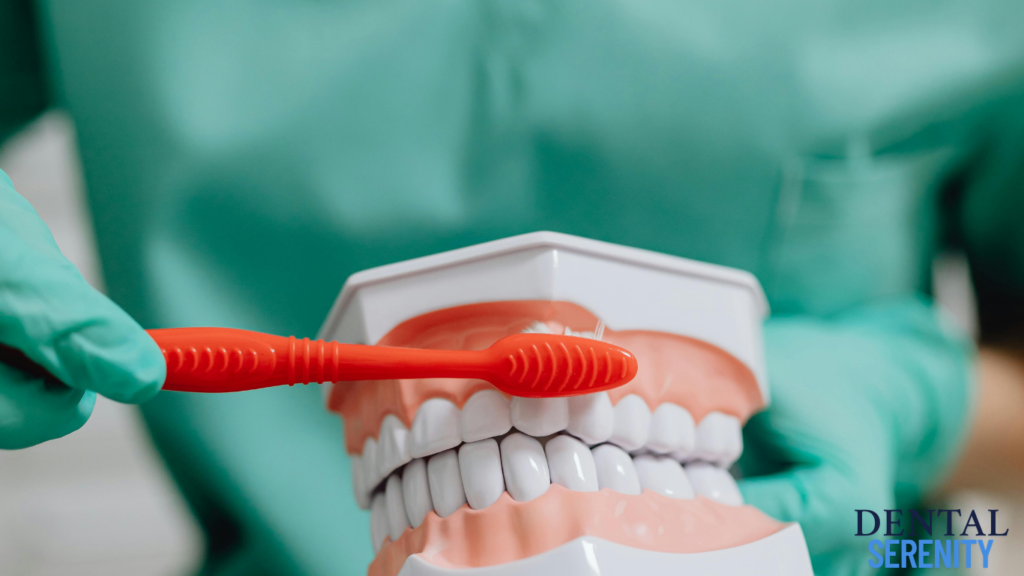
Brushing twice a day is key to good dental care. It stops plaque from turning into tartar and irritating gums. This habit keeps breath fresh and enamel strong over time.
Why brushing in the morning and before bed matters most
Morning brushing removes the film that builds up while sleeping. It also prepares the mouth for breakfast and coffee, which can cause bad breath.
Brushing before bed is crucial because plaque works all night. Skipping this session lets bacteria process sugars and acids for hours. Good oral hygiene is about preventing plaque buildup, not being perfect.
How plaque buildup can lead to cavities, gum disease, and bad breath
Plaque is a sticky layer of bacteria that clings to teeth and gums. If not removed, it weakens enamel and starts cavities.
Plaque near gums can cause swelling and bleeding, signs of gum disease. The same bacteria can also cause bad breath. Removing plaque often, especially at the gumline, is key.
| What plaque does | What you may notice | How twice-daily brushing helps |
|---|---|---|
| Produces acid after meals and snacks | New sensitivity to cold or sweets; rough spots | Removes bacteria and reduces acid exposure between cleanings |
| Settles along the gumline | Bleeding when brushing; puffy or tender gums | Clears buildup before inflammation becomes harder to reverse |
| Releases odor-causing compounds | Persistent bad breath, especially in the morning | Reduces the bacterial load that drives mouth odor |
Choosing fluoride toothpaste and the right toothbrush for your needs
Fluoride toothpaste strengthens enamel and fights acid, making it a good choice for adults. Brands like Colgate, Crest, and Sensodyne offer fluoride options for sensitivity or extra cavity protection.
A soft-bristled toothbrush is best for gums and enamel, whether manual or electric. Many find electric brushes from Oral-B or Philips Sonicare easier to use. We can help choose the right brush, bristle softness, and fluoride level for your needs.
Brush for two minutes using a better teeth brushing technique
Two minutes at the sink might seem long, but it’s crucial for a clean mouth. This method helps remove plaque from all surfaces, not just the easy ones. With a steady pace and focus, brushing becomes a daily habit that boosts oral health.
Why most people brush too quickly and miss key areas
Many adults brush for less than a minute, leaving plaque in hidden spots. The gumline and back molars are often missed. This can irritate gums and reduce the effectiveness of dental care.
Brushing for two minutes ensures each tooth gets attention. The goal is to clean evenly, not just quickly. This way, the mouth feels clean all over.
Divide your mouth into sections to stay thorough and consistent
Split your mouth into four parts to stay focused, especially in the morning. Spend about 30 seconds on each part. Start with the outer surfaces and move to the inner ones.
| Mouth section | Time target | Focus areas that get missed | Simple cue to stay consistent |
|---|---|---|---|
| Upper right | 30 seconds | Gumline of premolars and the cheek-side of the last molar | Start at the back and move forward tooth by tooth |
| Upper left | 30 seconds | Behind molars and the inner surface near the palate | Angle bristles slightly toward the gumline |
| Lower right | 30 seconds | Inside surfaces behind the lower molars | Slow down on the last two teeth in the row |
| Lower left | 30 seconds | Front inner surfaces where plaque collects quickly | Use shorter strokes and keep light pressure |
Gentle, slow circles vs. brushing too hard (protecting enamel and gums)
Using gentle, slow motions cleans better than scrubbing hard. Small circles and short strokes at the gumline lift plaque while protecting teeth and gums. If bristles spread out or gums hurt, you’re brushing too hard.
Think of brushing as a gentle massage. This approach keeps your gums healthy and prevents sensitivity, especially near the gumline.
Timers, songs, and brushing apps that help hit the two-minute mark
A timer helps keep brushing consistent. Many electric toothbrushes have a two-minute timer with 30-second pulses. A short song can also help. Brushing apps guide your pace and remind you, making dental care easier to follow.
For a quick reminder, check out the 2-2-2 rule for healthy teeth. It’s simple and fits into your daily routine without adding stress.
Visit the dentist twice a year for a reliable teeth cleaning schedule
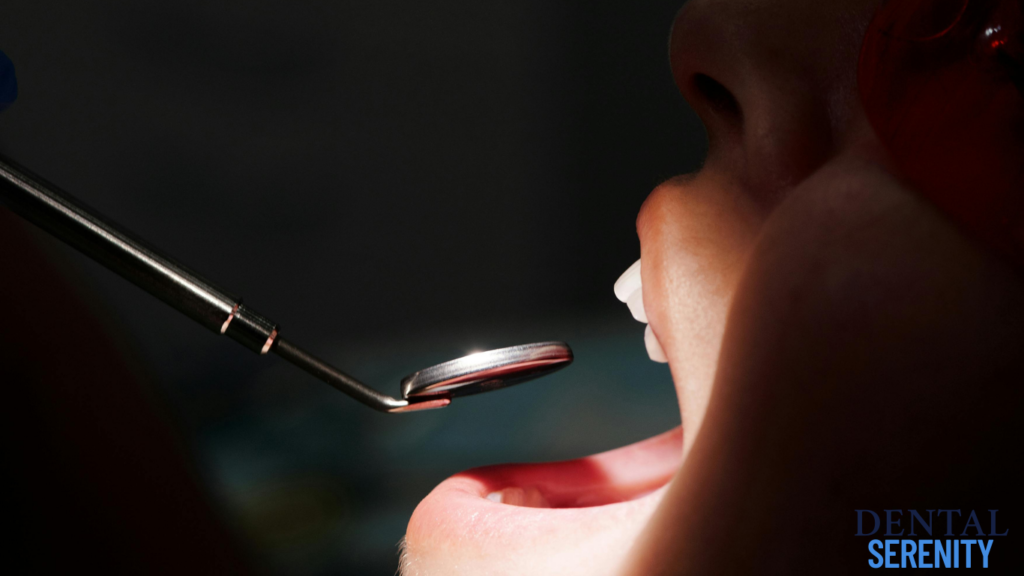
The third “2” in the 2-2-2 rule is simple: a twice-a-year visit that keeps a steady teeth cleaning schedule. Even with careful brushing and flossing, plaque can harden into tartar in tight spots. That buildup needs professional tools and trained eyes.
During routine appointments, clinicians follow dental guidelines that focus on prevention. They remove tartar that can’t be cleared at home and look for early signs of decay or infection. These visits also include a gum check and a quick review of jaw alignment, since bite changes can affect comfort and wear.
Regular dental care helps track small shifts over time, not just big problems. A six-month cadence can help spot cavities, gum disease, and oral cancer earlier, when treatment is often simpler. For a clear overview of how the rule supports preventive visits, this 2-2-2 rule guide breaks down what those checkups are designed to catch.
When a dental routine is built around home habits and dependable checkups, it becomes easier to stay consistent. If a person hasn’t had a visit in more than six months, scheduling one can restore that rhythm and reduce guesswork.
| What happens at a twice-yearly visit | Why it matters for everyday health | How it supports a teeth cleaning schedule |
|---|---|---|
| Tartar removal and polishing | Reduces gum irritation and lowers the risk of persistent bad breath | Resets hard-to-reach areas so daily brushing works better between visits |
| Cavity and infection screening | Finds early decay before it becomes pain, swelling, or a root canal | Creates a predictable checkpoint every six months, aligned with dental guidelines |
| Gum health evaluation (bleeding, pocket depth) | Flags early gum disease that can progress quietly | Keeps the dental routine focused on prevention, not last-minute fixes |
| Oral cancer screening and soft-tissue exam | Looks for unusual changes that deserve quick follow-up | Adds a safety check that home care can’t provide |
| Bite and jaw alignment review | Helps identify clenching, grinding, and uneven wear that can stress teeth | Guides dental care choices, like night guards or enamel protection, before damage builds |
Consistent timing matters: twice-yearly visits make prevention easier to plan and easier to maintain. That steady pace pairs naturally with daily brushing and flossing, so the full dental routine feels realistic year-round.
Conclusion
So, what is the 2 2 2 rule for teeth? It’s simple: brush your teeth twice a day for two minutes each time. Also, visit the dentist twice a year. This rule makes keeping up with dental care easy.
Brushing regularly and for the right amount of time helps prevent plaque from turning into tartar. This reduces the risk of cavities, gum disease, and bad breath. Flossing once a day also helps clean areas a toothbrush can’t reach.
Regular dentist visits complete the routine with a professional cleaning and exam. They can catch problems early, like tooth decay or gum inflammation. This can prevent pain and expensive treatments later on. Over time, it leads to healthier gums and a brighter smile.
For more on timing and daily habits, brushing guidance can provide the basics. The 2x2x2 rule is a small step towards better oral hygiene. It supports your comfort, confidence, and long-term dental health.
FAQ
What is the 2 2 2 rule for teeth?
The 2 2 2 rule means brushing your teeth twice a day for two minutes each time. You should also see the dentist twice a year. Many dentists say to floss every day to clean between your teeth.
Is the 2x2x2 rule a trend, or real dental advice?
It’s real advice from dentists, not just a trend. This method helps keep your teeth clean and gums healthy. It’s easy to follow and fits into your daily routine.
Why do so many adults still get cavities if they brush every day?
Many brush for less than one minute or miss important spots. This leaves plaque behind, leading to cavities and gum problems. Even daily brushing can miss these areas.
When are the best times to brush twice a day?
Brushing in the morning and before bed is best. Morning removes bacteria from the night. Brushing before bed removes food and plaque from the day.
How does plaque buildup affect dental health and breath?
Plaque is a sticky film that harms teeth and gums. It can cause cavities and bad breath. It’s a major problem for dental health.
Why is two minutes the recommended brushing time?
Two minutes is enough to clean all teeth surfaces. Brushing less often misses important spots. This can lead to cavities and gum problems.
What’s the best teeth brushing technique for the full two minutes?
Use gentle, controlled strokes for a thorough clean. Angle the bristles towards the gumline. This method is better than scrubbing hard.
How can someone stay consistent and cover every area?
Divide your mouth into sections and brush each for two minutes. This helps maintain a consistent routine. Brushing in the same order each time is helpful.
Should people brush harder to get teeth “extra clean”?
No, brushing too hard can harm gums and teeth. Use gentle pressure with a soft-bristled toothbrush. This method is safer and more effective.
Which toothbrush and toothpaste work best with the 2-2-2 rule?
Choose a soft-bristled toothbrush and fluoride toothpaste. Fluoride strengthens enamel and prevents cavities. Electric toothbrushes can also help with consistent brushing.
What tools help people actually brush for two minutes?
Timers and electric toothbrushes with timers are helpful. You can also use brushing apps or a song to keep track of time. These tools make brushing easier and more consistent.
Why visit the dentist twice a year if brushing and flossing are consistent?
Home care is crucial, but can’t remove tartar. Dentists remove tartar and check for problems. Regular visits are essential for good dental health.
What can a dentist catch early during routine checkups?
Dentists can spot cavities, gum disease, and oral cancer early. Early detection makes treatment easier and helps protect your teeth.
Is flossing part of the 2 2 2 rule for teeth?
The core rule is brushing twice daily and visiting the dentist twice yearly. Many versions also include daily flossing. Flossing reaches areas a toothbrush can’t.
How soon can someone notice results from following the 2x2x2 rule?
You may see improvements in a week. Expect fresher breath, cleaner gums, and less plaque. Over time, you’ll have healthier teeth and gums.