
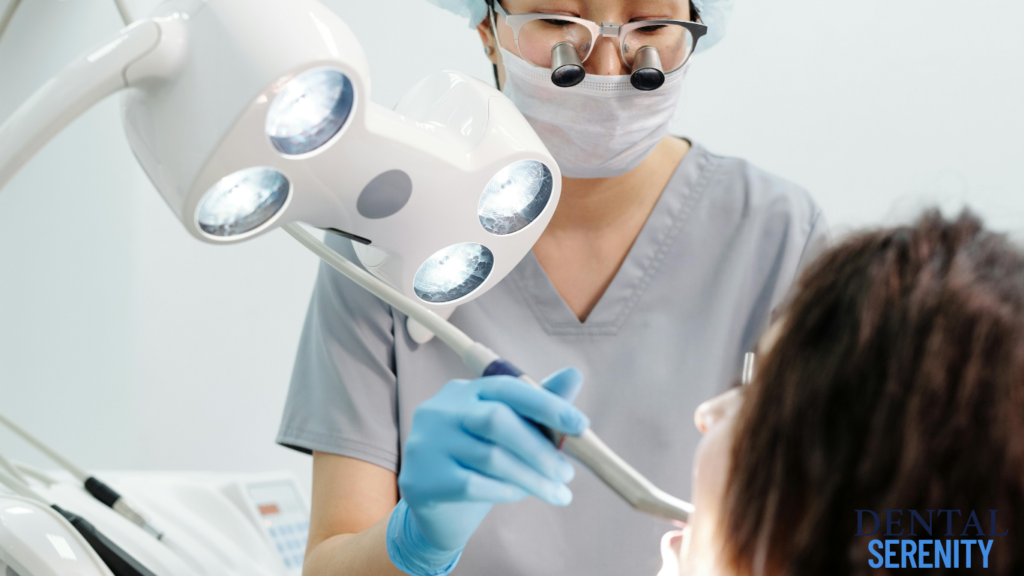
If a dental implant can handle years of chewing, why wouldn’t it be able to get a cavity—just like a natural tooth?
Clinically, the answer is clear: can implants get cavities? Not in the traditional sense. The implant restoration is inorganic and has no enamel. So, acids from plaque bacteria can’t demineralize it like they do a natural tooth. This key difference is often overlooked in dental implants faqs cavities, leading to a false sense of security.
The caution is just as important. Even when cavities are off the table, plaque can still collect at the gingival margin. This can trigger soft-tissue inflammation. Over time, this can progress into peri-implant disease, which threatens crestal bone and long-term stability. A concise clinical review of can implants get cavities? and related risks is outlined in can dental implants get cavities.
For U.S. clinicians, the takeaway is practical: implant maintenance is not “caries control by another name.” Success depends on structured hygiene protocols, regular monitoring, and early intervention when inflammation appears. Long-term outcomes—and high 10-year success rates reported in clinical summaries—remain closely tied to maintenance behaviors and risk factors such as tobacco use, as discussed in are dental implants better than other tooth replacement.
And one more point keeps this discussion grounded: can implants get cavities is not the only question that matters. Nearby natural teeth can still decay, and uncontrolled biofilm can compromise the entire oral environment around an implant-supported crown.
Key Takeaways
- can implants get cavities? Not technically, because implants and crowns do not contain enamel.
- Implants can still face biologic complications from plaque, including peri-implant mucositis and peri-implantitis.
- Long-term implant success depends on maintenance protocols and early detection, not just “no cavities.”
- Natural teeth next to an implant can still develop caries and raise overall disease risk.
- Tobacco use increases the risk of peri-implant disease and late implant failure.
- dental implants faqs cavities should emphasize both decay immunity and ongoing infection risk.
Understanding dental implants and why they don’t decay like natural teeth

Dental implants are a complete tooth replacement, including the root. They are popular because they mimic the natural tooth’s feel and function. The root support is key to maintaining a natural bite.
But, the focus is not just on the hardware. Keeping dental implants healthy also depends on controlling plaque at the gumline. This is where bacteria can still cause problems.
What a dental implant is: fixture, abutment, and crown
A dental implant has three parts, each with a specific role. This design helps explain why implants are different from natural teeth.
- Implant fixture/post: usually a titanium screw placed in the jawbone, functioning much like a tooth root.
- Abutment: the connector that joins the fixture to the final restoration.
- Crown: the visible “artificial tooth,” commonly ceramic or porcelain, shaped to match the surrounding dentition.
Common implant materials (titanium, ceramic/zirconia) and what that means for decay
Choosing the right material is important for strength and durability. Since these materials are inorganic, they don’t decay like enamel does.
| Component | Common material | Clinical meaning for decay risk | Practical note for maintaining dental implants |
|---|---|---|---|
| Fixture/post | Titanium | Inorganic and corrosion-resistant; not subject to enamel-type decay | Keep the implant–mucosa margin clean to limit biofilm and inflammatory load |
| Fixture/post (alternative) | Zirconia (ceramic) | Inorganic and non-porous compared with enamel; does not “rot” | Use careful instrumentation choices to avoid surface damage during hygiene visits |
| Crown | Ceramic or porcelain | No enamel to dissolve; surface can still collect plaque if contours trap biofilm | Emphasize interproximal cleaning around crown margins and emergence profile |
How osseointegration creates a stable foundation in the jawbone
Osseointegration is when bone bonds to the implant, making it stable. This stability is crucial for chewing and makes the implant feel like a natural tooth.
But, this stability doesn’t mean the area is immune to bacteria. Keeping dental implants healthy still requires daily cleaning and regular dental check-ups. Inflammation can start at the gumline, even if the implant itself can’t decay.
Can implants get cavities?
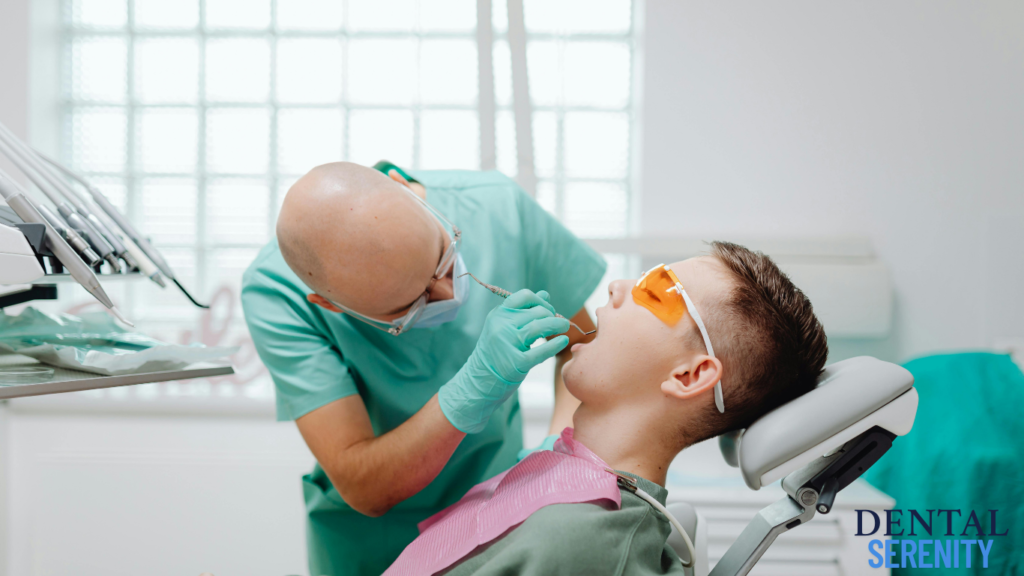
Many people wonder if implants can get cavities. The answer is simple: implants themselves can’t decay. But, the tissues and teeth around them need regular cleaning to prevent problems.
Why implants technically cannot get cavities
Dental implants and cavities are different issues. Cavities happen when bacteria eat sugar and make acid that weakens tooth enamel.
Implants are made of titanium, and their crowns are often ceramic. These materials don’t decay like tooth enamel does. So, acids from plaque can’t create cavities in the implant.
What can still go wrong: bacteria, plaque buildup, and inflammation around implants
Even though implants can’t decay, plaque can still form on their crowns. This can lead to inflammation in the gums, known as peri-implant mucositis.
If bacteria keep growing, the inflammation can spread to the bone. This is why keeping implants clean is crucial. It helps prevent diseases around the implant.
How nearby natural teeth can still develop cavities and affect overall oral health
Even if implants are safe, natural teeth can still get cavities. This is because implants don’t protect the teeth from acid. Nearby cavities can make cleaning harder and increase the risk of inflammation.
For more information, see can cavities occur with dental implants. It explains that implants don’t decay but the mouth still needs care.
Dental implants and cavities: natural tooth decay vs. implant-related complications
Talking about dental implants and cavities is different. Decay harms teeth, but implants face tissue issues. Even with implants, cavities are still a big worry for oral health.
How cavities form in natural teeth
Cavities start when plaque bacteria eat sugars and starches. This makes acid that weakens enamel over time.
When enamel breaks down, a small hole forms. This hole traps more bacteria and food. Since most people get cavities, prevention is very important, even with implants.
| Condition | Primary target | Main driver | Typical damage pattern | Clinical focus |
|---|---|---|---|---|
| Caries (natural teeth) | Enamel and dentin | Acid from plaque metabolism of sugars/starches | Demineralization progressing to cavitation | Fluoride, diet counseling, biofilm disruption, restoration when indicated |
| Peri-implant mucositis | Peri-implant mucosa | Plaque-induced inflammation | Bleeding and swelling without confirmed bone loss | Improved home care, professional debridement, risk factor control |
| Peri-implantitis | Soft tissue and supporting bone | Persistent biofilm with a susceptible host response | Inflammation with progressive bone loss around the implant | Early diagnosis, targeted therapy, maintenance and monitoring |
Peri-implantitis explained
Peri-implant disease starts with plaque around the implant, like gingivitis around a natural tooth. Mucositis is gum inflammation from plaque; peri-implantitis is a serious infection affecting soft tissue and bone.
Factors like unsterile gloves or instruments in surgery can increase risk. Bacteria, leftover cement, and implant design can also contribute to problems.
How untreated peri-implantitis can compromise implant stability
Not treating peri-implantitis can cause bone loss. This loss makes the implant less stable. It can even fail, even though the materials don’t decay.
Smoking and poor oral hygiene are big risks. Keeping biofilm under control and using cement carefully is important. Regular checks and care are key, as shown in peri-implant care guidance and implant treatment discussions.
Oral health implants and cavities: warning signs to watch around an implant
Implant crowns don’t get cavities like natural teeth do. So, if you notice something odd near an implant, it’s likely not a cavity. It might be gum inflammation, too much plaque, leftover cement, or early signs of implant disease.
When people talk about oral health implants and cavities, they often mean the same thing. But, doctors look for signs around the gums and bone. These signs can tell us if there’s a problem.
Teaching patients about implants after surgery is key. It helps them know when to worry. If something doesn’t get better or gets worse, they should see a dentist right away. This helps keep the implant and surrounding bone healthy.
Gum changes
Changes in the gums are often the first sign of trouble. If your gums bleed when you brush, swell, feel sore, or have a sore spot, it could mean inflammation or infection around the implant.
- Bleeding during brushing or interdental cleaning, especially if new or increasing
- Swelling or puffiness of the peri-implant tissues
- Tenderness on light pressure, soreness, or persistent irritation
- Suppuration or a bad taste/odor that suggests inflammation with bacterial burden
When patients say they have oral health issues with implants and cavities, we explain it differently. Implant restorations don’t get cavities. But, the tissues around them can get inflamed quickly if plaque isn’t controlled.
Functional changes
Changes in how you chew or bite can also be a sign of trouble. Pain or discomfort when biting down might mean the implant is inflamed or there’s a problem with how it fits.
- Pain on biting or chewing on one side
- A new tapping contact or bite shift around the implant crown
- Food packing near the implant crown margin or an open contact
- Mobility of the crown or, more urgently, a loose dental implant
Why early evaluation and professional monitoring matter for long-term success
Seeing a dentist early is crucial because infections can spread and harm the bone. Early treatment can prevent bone loss and implant failure. That’s why dentists tell patients to contact them right away if they notice any signs.
Regular check-ups also help prevent problems with implants. They check if you’re cleaning well, look at gum health, and check for any leftover cement or if the implant is under too much stress. This way, we focus on keeping the implant and surrounding tissues healthy, not just waiting for cavities.
| What patients notice | What it can suggest clinically | Typical next step in-office |
|---|---|---|
| Bleeding when brushing around the implant | Biofilm-induced mucosal inflammation; early peri-implant mucositis | Peri-implant tissue exam, plaque assessment, hygiene reinforcement, professional debridement as indicated |
| Swelling, tenderness, or persistent irritation | Inflammation, retained cement, or localized infection risk | Evaluate crown margins, check for residual cement, review cleaning access, consider imaging when warranted |
| Pain when biting down or chewing | Occlusal overload, peri-implant inflammation, or prosthetic complication | Occlusal analysis, screw/abutment assessment, peri-implant evaluation and radiographic review if indicated |
| Bite feels different; food traps near the crown | Contact change, marginal gap, or contour that traps plaque | Assess proximal contacts and emergence profile; adjust or remake restoration when needed |
| Mobility of the crown or implant | Loose screw/crown; late sign of compromised support if the implant itself is mobile | Immediate clinical assessment; differentiate prosthetic loosening from implant instability and manage urgently |
Dental care implants: daily habits and professional maintenance that protect implants
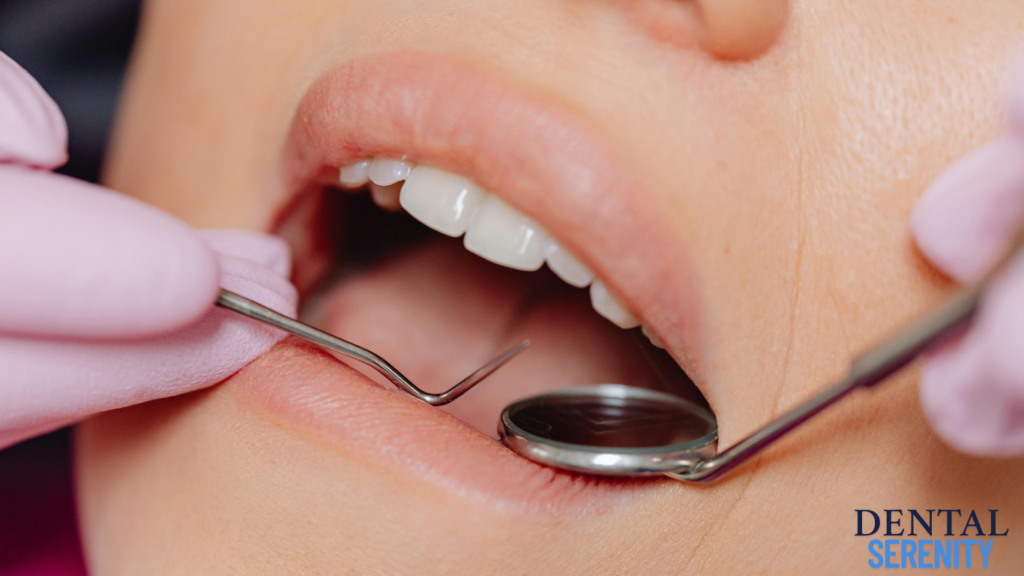
Implants need daily care, not just deep cleans. Brushing daily keeps the gum tight and healthy. The Mayo Clinic says good home care is key for long-term implant success.
Many dentists use maintaining dental implants as a simple guide for daily care and visits.
Oral hygiene for implants: brushing twice daily with a soft-bristle toothbrush
Brush twice a day for two minutes. Use a soft-bristle toothbrush and fluoride toothpaste. This gentle pressure fights plaque without harming the gums.
Use angled brush heads for hard-to-reach spots, like molars. Avoid whitening toothpaste that can scratch the crown surfaces. Instead, choose non-abrasive formulas.
Interdental cleaning: floss, implant-safe flossers, or interdental brushes around crowns
Interdental cleaning is crucial because plaque hides in tight spaces. Use floss, implant-safe flossers, interdental brushes, or water flossers. Choose based on the crown’s shape and size.
Some floss can irritate the gums. So, use floss made for bridges and crowns near implants. Cleaning under the pontic area reduces inflammation and prevents cavities by controlling bacteria.
Antimicrobial mouthwash and plaque control to reduce bacterial load
Alcohol-free antibacterial rinses can lower bacteria and help gums around implants. This step adds to brushing and interdental care, not replacing it.
For those at higher risk, like smokers or those with poor plaque control, dentists stress daily routines and changing habits. Avoid biting hard objects and limit hard or sticky foods during healing.
Regular dental check-ups and professional cleanings to detect issues early
Professional care is vital for implant maintenance. It removes tartar and checks for early tissue changes. Many dentists schedule exams and cleanings every six months, including implant checks.
| Maintenance step | Typical cadence | What it targets | Clinical focus during visits |
|---|---|---|---|
| Home brushing with soft bristles + fluoride | 2× daily | Supragingival plaque on crown margins | Reduce biofilm without traumatizing peri-implant soft tissue |
| Interdental cleaning (floss, interdental brush, water flosser) | 1× daily | Interproximal plaque and trapped food | Access tight contacts and areas under bridges when present |
| Alcohol-free antibacterial rinse (as recommended) | Daily or short courses | Overall bacterial load | Support gingival stability alongside mechanical cleaning |
| Professional cleaning and implant evaluation | Often every 6 months | Tartar at the gumline and early inflammation | Monitor probing trends, bleeding, occlusion, and home-care technique |
U.S. dentists like Piney Point Oral & Maxillofacial Surgery of Houston (713-783-5560) and Dr. Atluri’s office (682-452-1150) stress regular check-ups and personalized hygiene advice. They also focus on protecting natural teeth around implants through consistent care and professional visits.
Conclusion
Patients often wonder if implants can get cavities. The answer is no. Implants are made from materials like titanium or zirconia. The crown is usually porcelain or ceramic.
Since implants don’t have enamel, they can’t get cavities like natural teeth do. But, plaque is still a big problem. It can cause inflammation and damage around the implant.
Plaque can lead to serious issues like bone loss and implant failure. This is why taking care of your whole mouth is important. Natural teeth can still get cavities, even with implants.
To prevent cavities around implants, focus on daily plaque control. Brushing twice a day and using antimicrobial rinses are key. Regular dental check-ups help keep implants healthy for a long time.