

Dental implants are one of the safest and most predictable treatments in modern dentistry. But many patients still wonder: “What is the success rate of dental implants?”
According to long-term clinical research, the average success rate of dental implants is 95%–98%, making them one of the most reliable solutions for tooth replacement. However, this rate can vary depending on patient habits, bone quality, the surgeon’s experience, and overall health.
This guide explains everything you need to know about implant success rates, common risk factors, long-term outcomes, and how to maximize your chances of success.
What Is the Average Success Rate of Dental Implants?
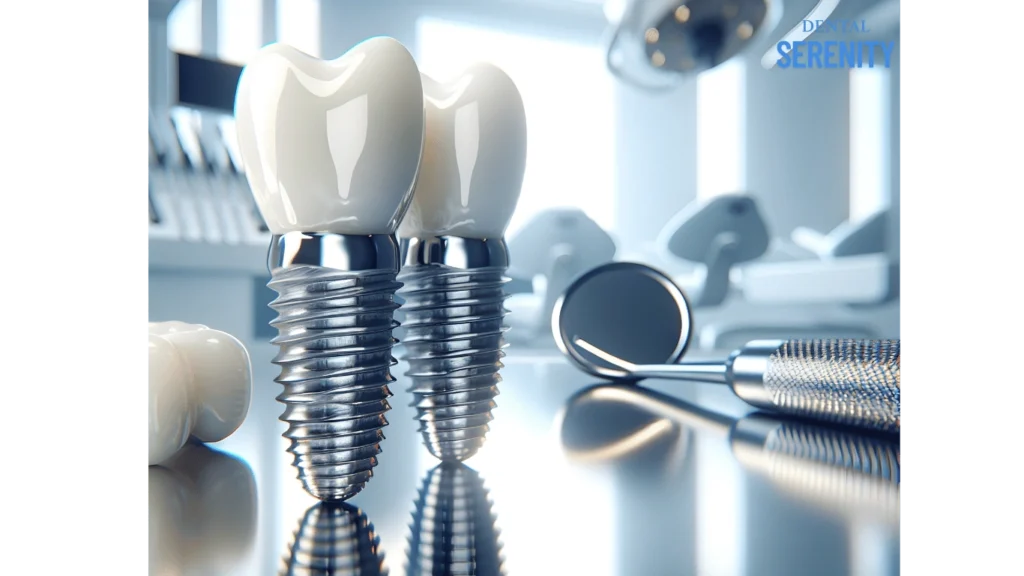
Overall Success Rate: 95–98%
Multiple studies report that dental implants have a 95% to 98% success rate over 10 years or more. This means the large majority of implants properly fuse with the bone and function like natural teeth.
Short-Term Success Rate (0–6 Months)
Early implant survival is extremely high—around 98%—provided proper healing and oral care.
Long-Term Success Rate (10–20 Years)
Long-term success ranges from 90% to 95%, depending on lifestyle and maintenance. Many implants last 25–30+ years.
Factors That Affect Dental Implant Success
While dental implants have an excellent success rate, several factors play a crucial role in the outcome.
Bone Density and Bone Volume
A solid bone foundation is essential. Patients with insufficient bone may need:
- Bone grafting
- Sinus lift
- Ridge augmentation
These procedures increase success rates dramatically.
Health Conditions
Certain conditions can influence implant survival.
Diabetes
Controlled diabetes → success rate close to 97%
Uncontrolled diabetes → higher risk of complications
Smoking
Smokers have up to 2× higher risk of implant failure. Nicotine reduces blood flow and slows healing.
Gum Disease
Untreated gum infections can cause implant inflammation and bone loss.
Oral Hygiene and Aftercare
Poor hygiene leads to peri-implantitis, a bacterial infection that can cause implant failure.
Patients who:
✔ Brush twice daily
✔ Floss
✔ Attend regular dental cleanings
…have the highest implant survival rates.
Surgeon Experience
An experienced implantologist significantly improves success rates. Dentists who place hundreds of implants each year have better outcomes.
Signs of Implant Failure
Although rare, dental implant failure can occur. Warning signs include:
- Persistent pain
- Loose implant
- Gum swelling or recession
- Bad taste or odor
- Difficulty chewing
Early detection allows many failing implants to be saved.
How Long Do Dental Implants Last?

Implant Lifespan
With proper care, implants can last 15–30+ years, and many last a lifetime.
Crown Lifespan
The crown typically lasts 10–15 years due to normal wear and tear.
Tips to Increase Implant Longevity
Quit smoking
Maintain excellent oral hygiene
Avoid biting ice or hard objects
Use nightguards if you grind your teeth
Comparison Table: Success Rate by Risk Factor
| Factor | Impact on Success Rate | Estimated Success Rate | Notes |
| Healthy non-smoker | Very High | 97–99% | Ideal candidate |
| Controlled diabetes | High | 95–97% | Safe with monitoring |
| Smoking | Medium | 85–92% | Quit to improve success |
| Low bone density | Low–Medium | 75–85% | Bone graft improves outcome |
| Treated gum disease | High | 95–98% | Must be stable |
| Poor oral hygiene | Low | 70–80% | Increases peri-implantitis risk |
Conclusion
Dental implants offer one of the highest success rates in dentistry—95–98%—and they can last a lifetime with proper care. Factors such as bone quality, health conditions, smoking, and surgeon experience all influence long-term success. By following good oral hygiene practices and choosing an experienced implant specialist, you can ensure excellent results and long-lasting implants.
If you’re considering dental implants, consult with a qualified implantologist to determine your personal success rate and ideal treatment plan.