
Dental care has been revolutionized by titanium implants. They are durable and last a long time. With proper care titanium tooth implants can last 20 years or more.
Titanium implants are durable for a long time because they integrate well with the body. But you have to keep your mouth clean and go to the dentist regularly for them to work.
Key Takeaways
- Titanium implants can last 20 years or longer with good upkeep.
- Permanent success of titanium implants depends on the quality of oral hygiene.
- Regular dental visits keep the implant and surrounding tissue healthy.
- Durability Titanium’s biocompatibility is responsible for its durability.
- Gum disease and bone loss are other factors affecting the lifespan of titanium implants.
What Are Titanium Implants and How Long Do They Last?

Titanium implants are critical to dental care for being both sturdy and durable. Understanding how these implants function is a key factor in understanding their longevity. This helps to make sure patients get the best results.
Types of Medical Titanium Implants
There is no one-size-fits-all titanium implant. There are different types of mouthguard, each serving a specific dental purpose. The main types are:
- Endosteal implants, which are inserted directly into the jawbone.
- Subperiosteal implants that sit on top of the jawbone beneath the gum.
- Transosteal, or through the bone implants, where subperiosteal is not an option because there’s a significant amount of bone loss.
To learn more about what dental implants are and how they can be used, go to https://www.drsilegy.com/how-long-do-dental-implants-last/.
Biocompatibility and Osseointegration Properties
Titanium implants are biocompatible, so the body generally accepts them. In other words they do not typically have bad reactions. They also encourage bone cells to attach and grow, which secures them.
Osteocytes are crucial cells that adhere to the implant. This process is influenced by the surface of the implant, the way it’s inserted and how healthy a patient is.
| Property | Description | Impact on Implant Lifespan |
| Biocompatibility | Titanium’s compatibility with human tissue | Reduces risk of rejection, enhancing longevity |
| Osseointegration | Bone integration with the implant surface | Provides stability, crucial for long-term success |
Manufacturer Estimates vs. Clinical Reality
Manufacturers estimate the lifespan of titanium implants based on tests. But, real-life results can differ. Some of it can depend on patients’ health and how good they are about caring for their teeth.”
Scientific evidence and long-term data gives us an objective view of how titanium implants really perform. For instance, a study may reveal that with proper attention, these implants can remain in place for decades. They work well and look good.
To know more detail about titanium implants and how to take care of them, go through https://www.dental-serenity.com/
What is the Lifetime of Titanium Implants?
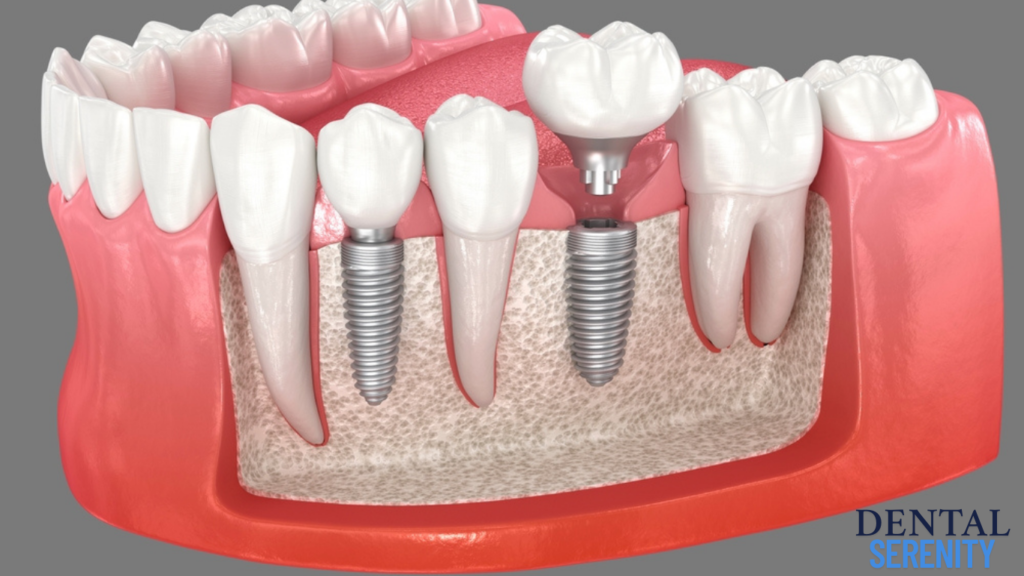
The technology of dental implants continues to improve. It’s critical to understand what happens when titanium implants degrade. They are durable and safe for use in the body. Their proceeds are contingent on the material and body response.
Alterations in the Physical Properties of the Implant Material
Implants of titanium can vary over time. The surface of the implant can “corrode and degrade.” But titanium is highly resistant to corrosion, which keeps it stable.
The corrosion resistance of titanium is a factor in its long-term stability, according to researchers for the Journal of Dental Research (Coppermine Dental).
Bone-Implant Interface Evolution
Osseointegration is necessary for a successful implant. The bone around the implant can change with time. The quality and quantity of the bone influence implant stability.
And as the bone density decreases, so does the likelihood of successful implantation. Make sure to watch bone health and implant stability.
Research on dental implants has demonstrated that the bond between bone and implant is evolving. In some studies, the bone density can even become higher, which is an added benefit for making the implant more secure. To learn more about Tampa dental implants, visit Dental Serenity.
| Time Frame | Bone Density Change | Implant Stability |
| 0-5 years | Initial bone remodeling | High stability |
| 5-10 years | Gradual bone density increase | Maintained stability |
| 10-20 years | Potential for bone resorption | Variable stability |
Success rates from prospective long-term studies
Research has demonstrated titanium implants can be successful for 20 years or more. A meta-analysis of studies have shown titanium implants to provide 10-20 year success rates of 90%–95%. And the success depends on the safety of titanium, the design of implant and care of patients.
There are many factors at play in the successful implantation of titanium. Patient health, oral hygiene and systemic diseases are relevant. Oral hygiene and regular dental check-ups will aid in the life of your new implant, limiting infection and other complications. Patients have to be educated about how to care for their implants and how to follow up.
Potential Complications and Maintenance Requirements
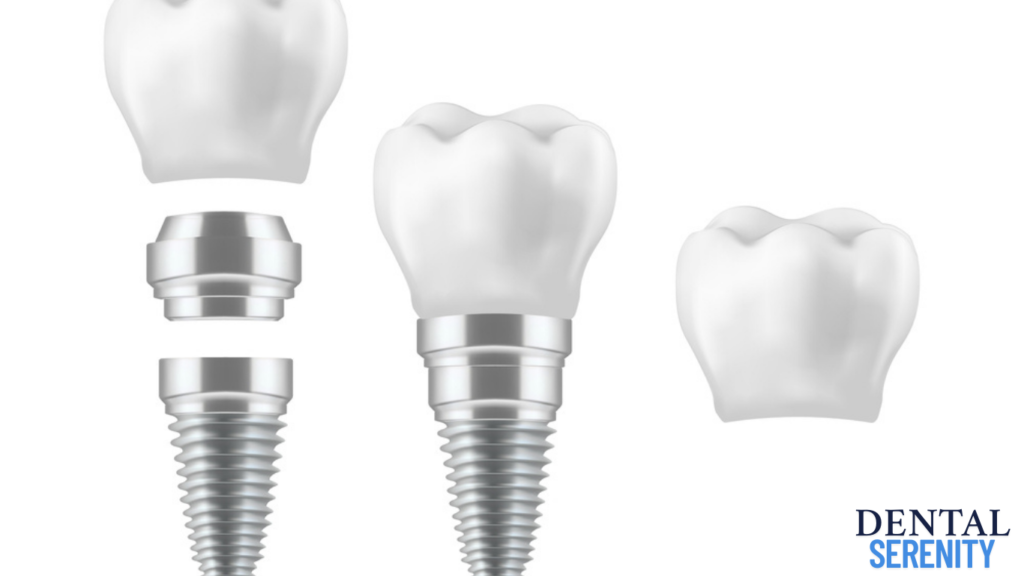
Those titanium implants have revolutionized dental care. But, as with any medical device, they can have problems after 20 years. Dentists need to know about these matters in order to maintain the health of implants and make them last.
Common Issues After Two Decades
Why titanium teeth May Not Be a Good Alternative Twenty Years Later,Even though implants may last you 20 years, they end up facing problems like peri-implantitis. This is when the gum and bone surrounding the implant becomes inflamed. Many patients get peri-implantitis, according to a study in the Journal of Clinical Periodontology. This is why regular maintenance is so critical.
“Peri-implantitis can lead to implant loss, and its incidence appears to increase with time,” a study of titanium implants found. One way to lower this risk is to maintain implants well.
Factors Affecting Long-Term Implant Health
Lots of things can influence how long titanium implants survive. This refers to how well you brush your teeth, if you smoke and whether the answer to questions about diseases such as diabetes is yes or no. A study in the International Journal of Oral & Maxillofacial Implants found that poor brushing can cause implant failure.
- Oral hygiene practices
- Smoking habits
- Systemic diseases (e.g., diabetes)
- Regular dental check-ups
For titanium to endure, it’s imperative that you keep your teeth clean and visit the dentist regularly. “It’s not only about verifying the implant,” explains Dr. [Last Name]. It’s keeping the entire mouth healthy.”
Modern Improvements in Implant Technology
They’re better now at sticking to bone and causing fewer problems. For instance, implants with nanostructured surfaces might be more compatible.
These new technologies are a big deal because they address common problems in long-term implants. By making implants more durable and body-friendly, manufacturers can support better patient outcomes.
Conclusion
There’s a new player on the field of dentistry: titanium implants. They are sturdy and durable. They last 20 years or more, studies show, and up to 95-98% are still successful in healthy mouths at 15 years.
The implant can last forever, but the crown may have to be replaced. Infections, bone loss and grinding teeth can cut short their life. A study on SpringerLink says it’s keeping them clean that allows use of such products to be sustained for the long term. To learn more about dental implants, visit Dental Serenity.
It’s important to maintain titanium implants. That depends on the quality of implant, how it was placed and care you take of your teeth. Understanding the fate of titanium implants 20 years later is information that benefits both dentists and patients. [It proves that titanium implants are a dependable option for replacing teeth, provided they are well maintained.