

Do dental implants always make sense—or can the “best” option become the wrong one for certain health, lifestyle, or budget realities?
Dental implants are a game-changer for missing teeth. They look natural, feel solid, and help you chew like before. For many in the U.S., they’re a top choice with a success rate over 95% in healthy patients.
But, there are valid reasons to think twice about dental implants. Some fear surgery or worry the procedure won’t succeed. These fears are normal, and with careful planning, you can reduce risks and feel more confident.
Most implant surgeries use local anesthesia to numb the area. Many dental offices also offer sedation options for those who are anxious. This helps patients stay calm and comfortable. Most find the procedure less painful than expected, similar to routine dental work.
This guide aims to provide a balanced view, not to discourage dental care. It highlights the downsides of dental implants and potential complications. Factors like health, bone quality, smoking, home care, and cost can affect the outcome.
For some, other options like fixed bridges or removable dentures might be better. A professional consultation can help determine the safest and most durable choice. This way, patients can regain function and confidence without unexpected surprises.
Key Takeaways
- Dental implants can be transformative, but there are valid reasons not to get dental implants for some patients.
- Most implant procedures use local anesthesia, and sedation options may help reduce anxiety.
- Many patients feel less pain than expected, often comparable to routine dental treatment.
- Healthy patients often see success rates above 95%, but results depend on individualized planning.
- Common disadvantages of dental implants relate to health status, bone support, lifestyle habits, and cost.
- Complications of dental implants are uncommon, yet understanding risks helps patients make informed choices.
What dental implants are and what the process involves
Dental implants replace a tooth from the root up, not just the crown. A small post is placed in the jawbone, followed by a connector and a custom tooth. This makes chewing and speaking feel steady.
They also help keep the jawbone healthy. Without a tooth root, the bone can shrink. An implant provides stimulation, making it feel like a natural tooth.
How a dental implant works: titanium post and osseointegration
The core of an implant is a titanium post, acting like a new root. Over time, the body bonds bone to the post through osseointegration. This creates a strong anchor.
If the bone doesn’t attach well, the implant may loosen. It might need to be removed and planned again after healing.
As the Mayo Clinic explains, implants are a surgical treatment. Planning is key because nearby teeth, nerves, and sinus spaces can be affected.
Typical healing timeline before teeth can be placed on top
At placement, the area is numbed with local anesthesia, and sedation may be offered for dental anxiety. Afterward, mild swelling and soreness are common for a few days to about a week. Many people return to normal routines within a week, with short-term changes to diet and brushing while the gum tissue settles.
Healing continues beneath the surface during osseointegration, which often takes months before the final tooth is attached. When several teeth are being replaced, the dental implant process can include temporary teeth during healing and multiple steps before the final restoration. For a clear example of staged care, this guide on replacing multiple teeth with implants explains why treatment can span several months.
Why adequate, healthy bone is required for stability
Strong bone is key for long-term stability. Before getting dental implants, check if you have enough healthy jawbone. Bone loss can happen after losing teeth or periodontal disease.
If your bone is thin or soft, you might need a bone graft. This adds time, cost, and extra healing.
| Stage | What patients typically experience | Why it matters for stability |
|---|---|---|
| Planning and imaging | Health review, dental exam, and scans to map bone and anatomy | Identifies factors to consider before getting dental implants, including bone volume and nearby nerves or sinus spaces |
| Implant placement | Local anesthesia; sedation may be available; short procedure time for many cases | Positions the titanium post in bone so the dental implant process can progress safely |
| Early recovery | Mild swelling or soreness for a few days to about a week; temporary diet and hygiene changes | Protects the surgical site while the body begins healing around the implant |
| Healing phase | Normal daily life continues while the implant heals under the gums | Supports osseointegration, the bond that helps the implant function like a tooth root |
| Final tooth attachment | Connector and crown, bridge, or denture are secured after healing | Completes function and appearance once the implant has a stable foundation |
Reasons not to get dental implants
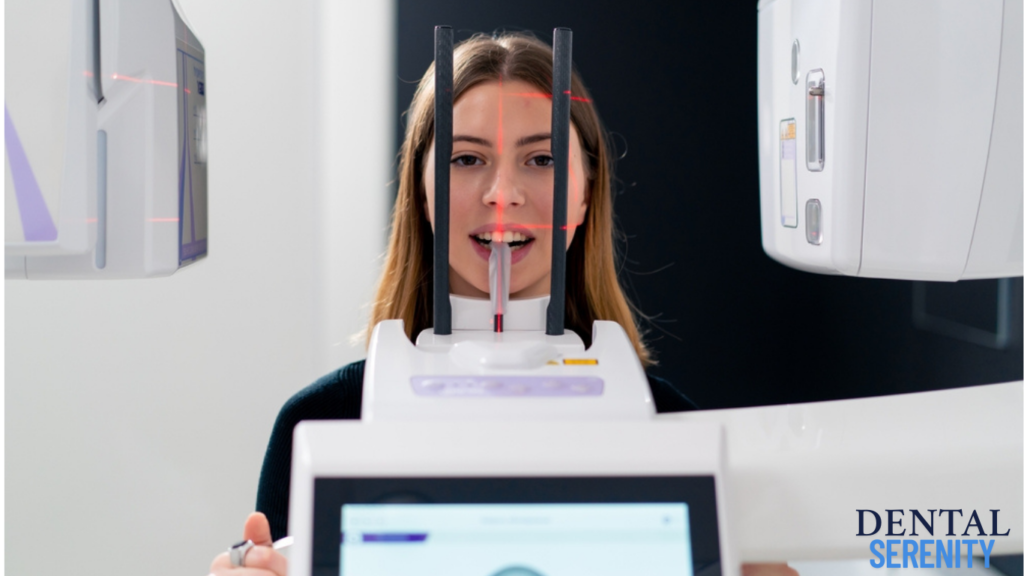
Dental implants can change your life, but they’re not for everyone. Sometimes, it’s just a matter of waiting for the right time. Knowing the downsides helps you plan better and avoid problems.
Uncontrolled diabetes and delayed healing that can jeopardize osseointegration
High blood sugar slows healing and weakens the body’s fight against infection. This can harm the bond between bone and implant, crucial for stability. First, stabilize your diabetes with medical help before getting implants.
Other health issues can also slow healing and affect how well you fight off infections. Conditions like lupus and rheumatoid arthritis can make recovery unpredictable. Jaw radiation therapy can also weaken bone, making it hard to support an implant.
Medications that affect bone remodeling, including drugs like Fosamax and Boniva
Your medication history is as important as your X-ray. Drugs like Fosamax and Boniva can slow bone healing around implants. Steroids can also harm bone quality and soft tissue recovery, raising the risk of implant failure.
These issues don’t always mean you can’t get implants. They might mean you should wait or need a different plan. A detailed list of medications helps your dental team plan safely. You can also check reasons not to get dental implants to see how common these problems are.
Jaw growth in younger patients and why timing matters for long-term fit
Implants are fixed in place and don’t move with the jaw. For young people, timing is crucial because their jaws are still growing. Rushed implants can lead to future alignment and bite problems.
Poor oral hygiene and higher risk of plaque buildup, inflammation, and bone loss around implants
Even with implants, good oral care is essential. Bad oral hygiene can lead to plaque, gum inflammation, and infection. This can cause bone loss and affect the implant’s long-term success. If you struggle with oral care, implants may not be the best choice.
| Situation that may delay implants | Why it matters for healing and stability | How a care team may respond |
|---|---|---|
| Uncontrolled diabetes | Slower healing and higher infection risk can disrupt osseointegration | Coordinate with a physician, improve glucose control, and schedule surgery when healing is more predictable |
| Autoimmune disease (lupus, rheumatoid arthritis) | Immune changes can affect tissue response and recovery consistency | Review disease activity, adjust timing, and plan follow-up visits more closely |
| Radiation therapy to the jaw | Bone may be weaker and less able to support an implant long term | Use advanced imaging, consult the oncology team, and consider alternatives if bone health is compromised |
| Bisphosphonates (Fosamax, Boniva) or certain steroids | Bone remodeling and healing can be altered, increasing failure risk | Confirm medication type and duration, coordinate risk assessment, and tailor the surgical plan |
| Jaw still growing | Ongoing growth can change fit and bite alignment around a fixed implant | Delay placement and use interim tooth-replacement options until growth stabilizes |
| Inconsistent oral hygiene | Plaque and inflammation can trigger peri-implant infection and bone loss | Strengthen home-care habits, manage gum inflammation, and confirm commitment before proceeding |
Risks of dental implants and possible complications after surgery
Dental implants can change your life, but it’s important to know the risks before you get one. Most early side effects are short-term, like swelling, soreness, bruising, and post-operative pain. These usually get better in a few days, and most people can go back to normal in about a week.
Following your aftercare instructions is crucial. Some complications start small. A little bleeding and tenderness are normal, but if pain gets worse, fever, or drainage happens, you should see a doctor right away. Early treatment can make a big difference.
Infection at the implant site and progression to peri-implantitis with bone loss
One big risk is infection at the implant site. Bacteria can cause inflammation and tissue breakdown. This can lead to peri-implantitis, an infection that can cause bone loss and make the implant unstable.
Not brushing and flossing well, and smoking, can increase these risks. These are not rare surprises. Doctors know about them and try to prevent them with good hygiene and follow-up visits.
Failed osseointegration and signs that may require implant removal
Another risk is if the implant doesn’t bond well with the bone. This can make the implant feel loose or painful, and the gum can stay sore. Imaging might show changes in the bone around the implant.
If the implant isn’t stable, it might need to be removed. This is why doctors assess the risks early and plan carefully. They also look at your health history.
Nerve injury risks in the lower jaw and symptoms like numbness, tingling, or burning
In the lower jaw, there are specific risks. If an implant is too close to a nerve, it can cause numbness, tingling, or burning in the lip, chin, or gums. These symptoms can be temporary or last a long time, so prevention is key.
Doctors use precise measurements and careful placement to avoid nerve problems. If symptoms show up after surgery, they need to be checked quickly to decide what to do next.
Factors to consider before getting dental implants in the United States
In the U.S., getting dental implants means thinking about cost and access. The price is high, and budget is a big worry. For some, the cost is too much, even if implants are a good choice.
Dental insurance can be a problem. Many plans don’t cover all costs, like the crown or bridge. This makes the total cost even higher, especially with extra services.
Oral health is key before getting implants. Healthy gums and enough bone are important for success. If gums are sick or bone is missing, treatment or grafting might be needed first.
A medical check is as important as a dental one. In the U.S., doctors look for health issues that could affect healing. This helps decide if implants are right now or if to wait until health improves.
| Decision point | Why it matters in the U.S. | What a dental team typically checks | Practical options if it’s a barrier |
|---|---|---|---|
| Budget and financing | Upfront costs can be high and may include imaging, surgery, and restorations | Written estimate for each phase and expected maintenance visits | Phased treatment, payment plans, or alternatives to dental implants such as removable dentures |
| Dental insurance coverage | Plans vary; some exclude implant surgery or only partially cover the crown | Benefit verification and procedure coding review before scheduling | Dental bridges when adjacent teeth can support them, or a partial denture |
| Gum health and hygiene | Inflammation raises the risk of peri-implant problems and bone loss | Periodontal charting, bleeding points, and plaque control habits | Periodontal therapy first; temporary tooth replacement during healing |
| Bone density and anatomy | Bone levels affect stability and may require extra procedures | X-rays or cone-beam CT, bite analysis, and space for restoration | Bone grafting, or choosing a bridge or denture if surgery is not desired |
| Medical history and medications | Healing capacity can change outcomes and infection risk | Diabetes control, immune status, osteoporosis drugs, and smoking history | Medical coordination, delayed placement, or alternatives to dental implants during stabilization |
Many patients also think about comfort, healing time, and the need for a stable smile. Dental bridges and dentures are good options when surgery or money is a problem. For some, these choices are better than implants, but don’t rule out future treatment.
Lifestyle and oral health habits that can increase implant failure risk
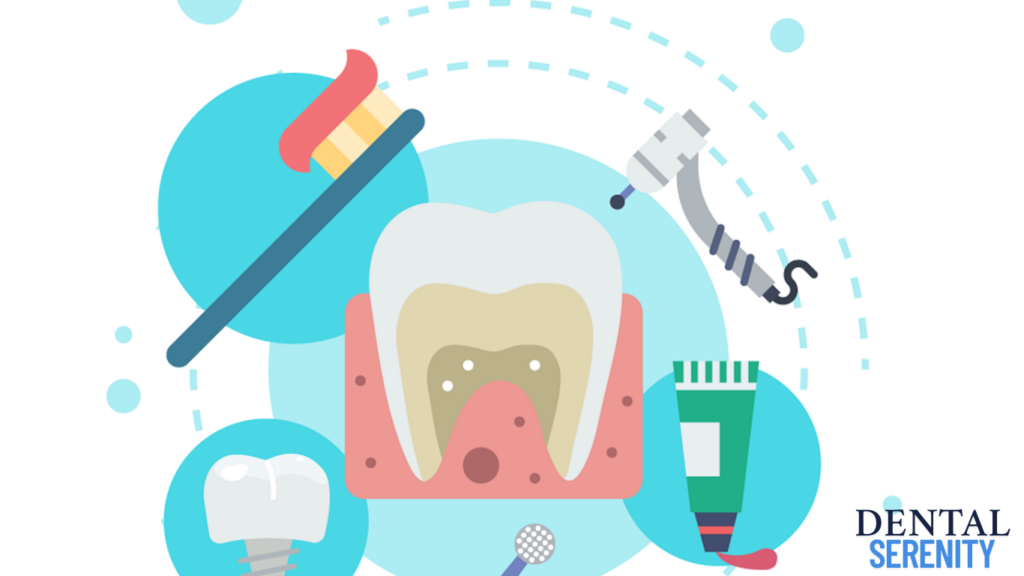
Many people focus on the surgery risks of dental implants. But, daily habits play a big role too. The good news is that many of these risks can be changed with a good plan and effort. Knowing what can increase failure rates helps set realistic expectations about dental implant side effects.
For more on common habits that can harm dental implants, see habits that harm dental implants. This advice can turn warnings into a checklist for safer care.
Smoking or chewing tobacco
Smoking and chewing tobacco harm gum tissue by reducing oxygen. This slows healing. Tobacco also cuts blood flow and can disrupt clotting after surgery, when the site needs protection. Smokers are up to three times more likely to fail implants than non-smokers, a preventable risk.
Lower oxygen and delayed healing also raise infection risk. This can turn early side effects like soreness and swelling into long-lasting inflammation needing treatment.
History of gum disease
Having gum disease in the past is important. Implants need healthy gums and bone. If you had severe gum disease, it could harm your implants.
If your gums lost a lot of bone, you might need a bone graft. This could delay getting implants.
Long-term home care requirements
Implants need daily care like brushing and flossing. Not taking care of them can cause problems. Missing dental cleanings can hide early signs of trouble.
Going to the dentist regularly helps implants last longer. But, it’s a big commitment. If you find it hard to keep up, implants might not be for you.
Drawbacks of dental implants compared with other tooth-replacement options
Dental implants can look natural and help you chew better. But, they have downsides compared to bridges and dentures. It’s good to think about these when deciding.
Choosing between them depends on comfort, time, and upkeep. Each option has its own good and bad points.
When thin bone means more procedures
One big drawback of dental implants is needing enough jawbone. If your bone is thin, you might need bone grafting. This makes the process more complicated and expensive.
Why the timeline can stretch for months
Dental implants take a long time. The surgery itself is quick. But, healing and bone bonding can take 2–6 months before you get your final crown.
While you might feel better in a week, the whole process takes 3–9 months. Bridges or dentures might be faster in some cases.
Short-term side effects after placement
After surgery, you might feel swollen, bruised, sore, and in pain. These symptoms usually get better in a week or so. Recovery is manageable, but it’s still a consideration.
Why imaging and planning matter
Implant success depends on careful planning. Dentists use advanced imaging like 3D scans to plan safely. You can learn more about this at alternatives to dental implants and how they compare in real-world scenarios.
| Consideration | Dental implants | Dental bridges | Removable dentures |
|---|---|---|---|
| Typical upfront cost (U.S.) | $3,000–$4,500 per tooth | $1,500–$5,000 | $1,000–$3,000 per arch |
| Time to a finished smile | Often 3–9 months due to healing and osseointegration | Often faster because no bone integration is required | Often faster delivery, with adjustments over time |
| Surgical needs | Placement surgery; may add grafting or sinus lift if bone is low | No implant surgery; uses adjacent teeth for support | No implant surgery; sits on gums and underlying bone |
| Short-term recovery profile | Swelling, bruising, and soreness may last days to about a week | Usually less surgical recovery; tooth prep sensitivity may occur | Gum soreness and pressure spots may occur during fit changes |
| Maintenance and long-term upkeep | Brush, floss, and professional cleanings; monitor for peri-implant inflammation | Daily cleaning; flossing aids often needed under the bridge | Daily removal and cleaning; relines or replacements may be needed |
| Who may prefer it | Those seeking stability and natural chewing feel, and who can meet bone and health needs | Those wanting a fixed option without implant surgery | Those replacing many teeth at once and prioritizing a non-surgical approach |
Looking at alternatives to dental implants can help you decide what’s most important: speed, cost, or avoiding surgery. Bridges can replace teeth by using nearby teeth for support. Dentures can restore many teeth or a full arch but need regular cleaning and adjustments.
For many, the best choice is finding a balance between function and the practical downsides of implants and the upkeep of each option.
Conclusion
Dental implants can change your life by making chewing strong, looking natural, and keeping your jaw healthy. Many find the procedure less scary than they thought, thanks to local anesthesia and sedation. In good candidates, they have a >95% success rate, making them a top choice today.
But, there are reasons not to get dental implants now. Issues like uncontrolled diabetes, autoimmune diseases, and jaw radiation can slow healing. Also, severe gum disease, smoking, and poor oral care can increase risks, especially in the first few months.
Medication history is also crucial before getting implants. Certain drugs, like Fosamax and Boniva, can harm bone healing. Even with good start, problems like infection or nerve issues can still happen. A skilled dentist can remove an implant if it fails early.
However, some issues can be treated, like gum therapy or bone grafting. For others, bridges or dentures might be better. The best approach is a custom consultation that looks at your health, goals, and costs.