
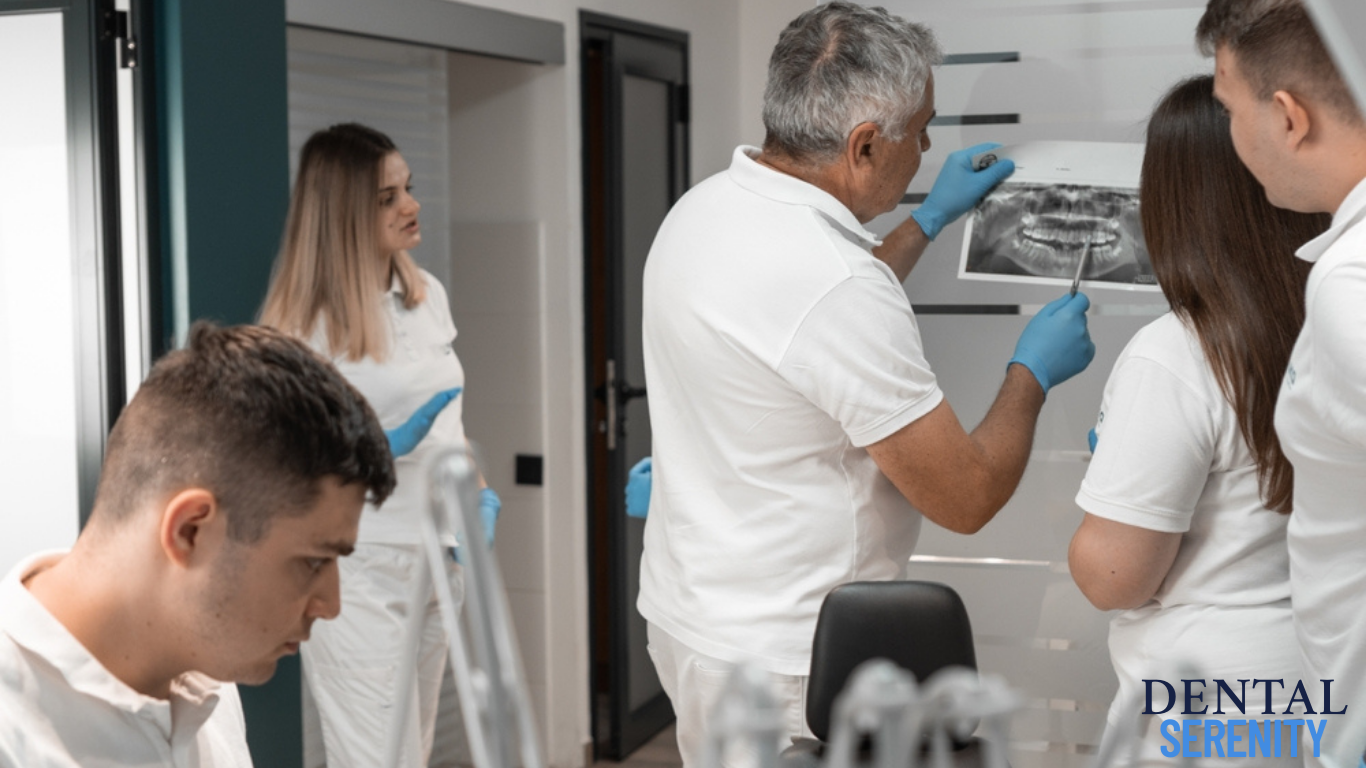
If a clinic overseas can replace missing teeth for half the price, is it safe to go abroad for dental implants—or is that “deal” where the real risk begins?
For many Americans, dental tourism safety seems simple. Just book a flight, get treatment, and come home smiling. But, international dental implant safety depends on many details. These include who places the implant, how the clinic is regulated, and what materials are used. It also matters if you can get follow-up care once you’re back in the United States.
Dental implants are a permanent tooth replacement. They are designed to look and feel like natural teeth. A small titanium post is placed in the jawbone to act like a tooth root. Then, a crown is attached on top.
When done well and maintained with good oral hygiene, implants can last for decades. They may even last a lifetime.
The hard part is that “safe” can mean different things in different places. Sterilization rules, training standards, and accountability can vary widely. This shapes the risks of getting dental implants abroad. One overview of dental tourism for implants points to a common trade-off. Big savings can come with gaps in oversight and limited support if something goes wrong after you return.
This article breaks down what to look for before you commit. It compares marketed price cuts with real-world concerns. These include verifying credentials, implant brand compatibility, and access to aftercare. It also covers practical steps to improve international dental implant safety. This includes guidance from sources that say travel can be safe with the right clinic and clear standards, such as this checklist on choosing a reputable overseas.
The goal is not to scare anyone—it’s to help you decide with clear facts. By the end, readers should understand dental tourism safety, the most common risks of getting dental implants abroad, and the alternatives that may help you avoid rushing into care just because the price looks good.
Key Takeaways
- is it safe to go abroad for dental implants? It can be, but safety depends on credentials, regulation, and follow-up care.
- International dental implant safety varies by country, clinic, and the implant system used.
- Dental implants are multi-step care, not a quick “in and out” procedure.
- Dental tourism safety issues often show up after you return home, when aftercare is harder to coordinate.
- The risks of getting dental implants abroad can include infection, implant failure, and costly redo work.
- Smart planning—written treatment plans, verified implant brands, and enough recovery time—can lower risk.
Is it safe to go abroad for dental implants?
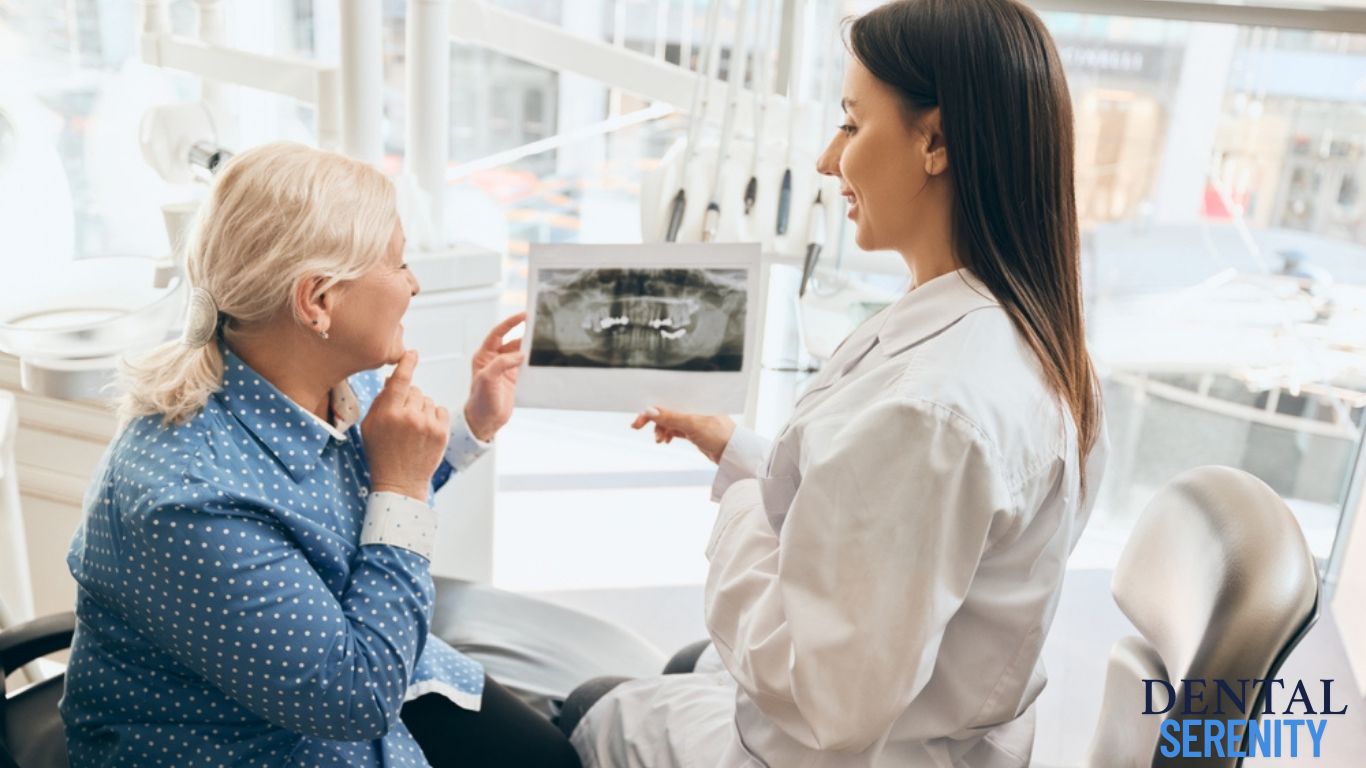
Many Americans wonder if it’s safe to get dental implants abroad after seeing high prices at home. Dental tourism seems simple but has serious medical risks. These risks are often overlooked when ads focus on saving money.
Why people consider dental tourism for implants
Dental tourism involves traveling for dental care, often with extras like hotels and tours. Clinics market it as a “holiday + surgery” deal, promising quick scheduling.
Popular spots for U.S. patients include Mexico, Costa Rica, and Thailand. The market is huge, hitting about $7.7 billion in 2023 and growing fast.
What dental implants involve and why it’s not a one-day procedure
Dental implants are more than just new teeth. They include small posts in the jaw and a crown or bridge later. The healing time is crucial for bone fusion.
Some cases need extra steps like bone grafting or a sinus lift. These steps can make the process longer and riskier, especially with tight travel schedules. A U.S. view on this is shared in reasons to avoid traveling internationally for dental care.
Typical cost expectations vs advertised overseas deals
Price is often the main focus, but it’s important to compare all costs. Ads might highlight one price but leave out important details.
| Item | Commonly cited pricing examples | What the headline price may not show |
|---|---|---|
| Single implant | About £2,000–£2,500 | Imaging, grafting, temporary teeth, and follow-up visits |
| Bridge (implant-supported) | About £3,000 | Number of implants needed and bite adjustments after healing |
| Both arches restored | About £10,000–£25,000 | Staged surgery, complications, and repairs after returning to the U.S. |
| Both arches restored | About £10,000–£25,000 | Staged surgery, complications, and repairs after returning to the U.S. |
| Overseas “full mouth restoration” promotions | As low as £8,000 in some offers | Time on-site, quality controls, and who handles problems later |
Many clinics promise big savings, but the real cost can be higher if more procedures are needed. For more on what to ask and pricing, see dental implant costs in Egypt.
When considering dental tourism, cost is just one factor. It’s also important to think about health concerns, materials, communication, and aftercare. These can all impact the safety of dental implants abroad.
Dental tourism safety concerns and dental implant travel risks to know
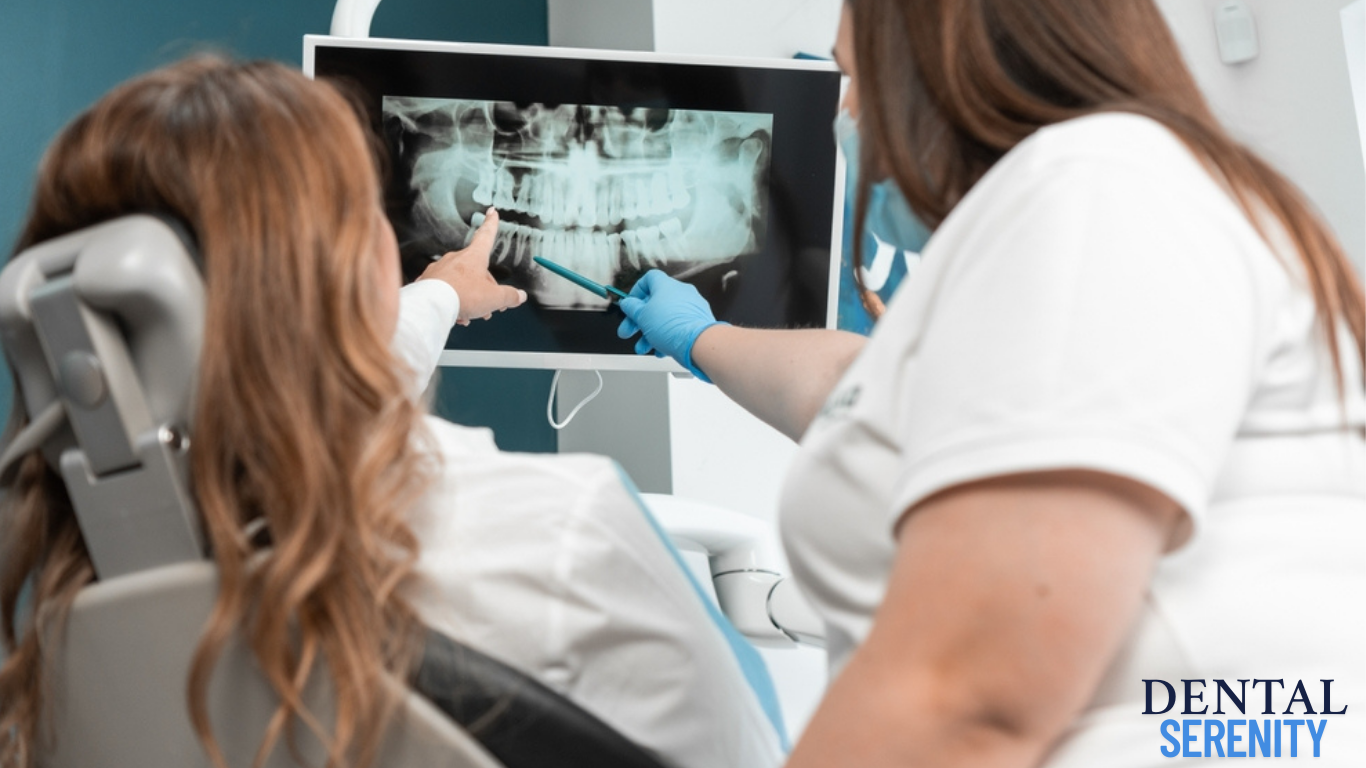
Lower prices can make cross-border care seem like a smart shortcut. But, dental tourism safety depends on details that are easy to miss. Before booking, it’s important to look at oversight, communication, and follow-up. These can shape the risks of getting dental implants abroad.
Dental implants are not a single appointment. They involve surgery, healing, and later adjustments. This timeline matters when dental implant travel risks include being far from the clinician who placed the implant.
Regulation and accountability differences
In the United States, dentists and oral surgeons are licensed and can be reported to state dental boards. Many also follow guidance from groups like the American Dental Association. This structure helps patients understand who is accountable if something goes wrong.
In other countries, oversight can be less consistent from city to city. “Recourse” can also be harder to use in real life. If a dispute involves infection or implant failure, patients may need to navigate a local legal system, in a local language, and under local rules.
Communication and informed consent challenges
Language gaps are more than an inconvenience. Implant plans can change on surgery day after new X-rays, bone measurements, or signs of infection. You can only give informed consent if you clearly understand what is being added, changed, or skipped.
Some clinics provide translators, but it is not guaranteed. When communication is thin, patients may not report pain, pressure, or dizziness early enough. This uncertainty can raise dental tourism safety concerns, especially during anesthesia or sedation discussions.
Quality and compatibility of implant systems and materials
Implant success needs careful steps and good materials. If standards are not the same, patients worry. They fear underqualified doctors or parts that don’t fit U.S. standards.
Another issue is compatibility. Implant systems and tools might not match what’s used in the U.S. It’s like taking a Toyota to a Ferrari mechanic. The skill is there, but the parts might not fit.
Follow-up can lead to more referrals or delays. Some patients look at the risks and rewards of dental tourism to compare costs and care.
| Issue that can affect aftercare | What it can look like after you return to the U.S. | Why it matters for future treatment |
|---|---|---|
| Different implant brand and toolkit | A local dentist cannot remove a screw or tighten a loose component without the matching driver | Repairs may require special ordering, referrals, or travel back to the original clinic |
| Limited documentation | Missing implant “passport,” lot numbers, or torque values from placement | Harder to plan adjustments safely or confirm which parts fit |
| Unclear sterilization or lab standards | Unexplained inflammation around the implant site or gum irritation | May increase monitoring needs and drive up the chance of rework |
| Compressed travel schedule | Stitches removed late, bite not checked, or swelling still high during flights | Small problems can grow before a clinician can evaluate them |
Dental tourism implant complications after you return home
Dental tourism implant complications often appear when life gets back to normal. Problems include infection, swelling, and pain. Some cases need surgery, which can erase savings.
Timing is tricky. Issues with materials or placement might not show up for months or years. This makes it hard to link problems to the original procedure.
U.S. dentists might be hesitant to take on a case they didn’t start. They might advise contacting the original surgeon. This can add stress, cost, and travel. These are key dental implant travel risks to consider before going abroad.
Overseas dental implant precautions and dental implant travel precautions
Planning is crucial. Overseas dental implant precautions include a health check, realistic timeline, and aftercare plan. Rushing can risk safety.
Pre-trip screening: who may not be a good candidate to travel
Choosing candidates is based on medical risk, not just cost. Those with uncontrolled diabetes or severe heart disease might be advised to delay surgery. Being far from doctors and pharmacies is a concern.
Complex cases need extra steps, like bone grafting or a sinus lift. These add healing time and require close monitoring. This should guide dental implant abroad precautions before booking trips.
Planning enough time for follow-ups and healing
Short trips can make it hard to get enough care. You might not get to check how your bite feels right. And if you have swelling or bleeding, you might not have many options.
When you get back home, finding a dentist who knows your implant system can be tough. Dental implant travel precautions include a treatment summary and emergency plans. You should also have your implant records ready.
Plan for delays too. Weather, missed flights, or getting sick can keep you longer than planned. Many clinics suggest longer healing times, as seen in dental implants abroad timelines.
Flying after surgery considerations
Flying too soon can make swelling and pain worse. The air pressure changes can hurt your sinuses and soft tissues. Long flights also make your body more swollen.
Doctors often say wait at least 7–10 days before flying after surgery. For full-arch restorations, they might say wait 2–3 weeks. If you have any problems, wait even longer.
Some ads say it’s okay to fly in 2–3 days. But others say wait closer to 2 weeks. Always get written travel limits from your dentist before booking your flight.
Aftercare commitments that affect success
Aftercare is very important during healing. Smoking, bad brushing, or skipping rinses can lead to infections. This slows down healing.
Dental implant abroad precautions include a clear plan for aftercare. This includes medication timing, eating soft foods, and checkups. If you need to calm down, oral sedation is used carefully. It’s taken 30–60 minutes before and you need someone with you, as explained in this oral sedation guide.
Bad aftercare can turn small problems into big ones. This can increase costs and stress. Overseas dental implant precautions should include aftercare as part of the treatment, not extra.
| Planning checkpoint | What to confirm before travel | Why it matters for healing | What to have in hand |
|---|---|---|---|
| Medical fit | Screen for uncontrolled diabetes, severe heart disease, and medication interactions | Higher risk of infection, bleeding, and slow tissue repair when chronic disease is unstable | Current medication list, recent labs if available, clearance notes when needed |
| Procedure complexity | Whether bone grafting or sinus lift is expected, plus number of implants planned | Added steps can increase swelling and extend healing time beyond a short stay | Written treatment plan, imaging summary, staged timeline |
| Follow-up access | How many post-op visits are included and how urgent issues are handled after you fly home | Early problems are easier to fix when caught fast and documented clearly | Emergency contact method, after-hours instructions, implant system details |
| Flight timing | Recommended wait time to fly (often 7–10 days; longer for full-arch cases) | Helps reduce swelling, discomfort, and infection risk during early recovery | Written travel guidance, pain-control plan, swelling management steps |
| Daily aftercare | Smoking restrictions, oral hygiene steps, diet limits, and medication schedule | Supports osseointegration and lowers the chance of peri-implant infection | Printed post-op instructions, prescription plan, supplies for hygiene |
Conclusion
For many U.S. patients, the answer to is it safe to go abroad for dental implants? is “it depends.” Dental implants can be safe and last long if done right. But, safety can change based on the clinic and country.
Before you book a flight, think about the risks. These include uneven rules, language issues, and parts not available in the U.S. Ask about the implant brand and get a written treatment plan.
This guide on best countries for dental implants can help you compare. It shows costs and travel details.
The cheapest option is not always the best. Dental tourism health concerns can happen when visits are rushed. This can lead to swelling and discomfort.
Many people look at options closer to home. They use financing or interest-free plans offered by U.S. practices. This can make you feel less rushed.
With the right questions and a good plan, you can make a safer choice. Whether you stay in the U.S. or travel, choose what feels right for you.
FAQ
Is it safe to go abroad for dental implants?
Going abroad for dental implants can be safe. But, it depends on a few things. These include the clinic’s reputation, local laws, and how clean they are.
Also, the type of implant and getting follow-up care in the U.S. matters. Even though it might be cheaper, there are risks. These risks come from less control and care after you go home.
What are dental implants in plain English?
Dental implants are a way to replace missing teeth. A small post is put in the jawbone. Then, a crown is attached on top.
Done right, they can look and feel like your own teeth. They can last a lifetime if you take good care of them.
What is dental tourism, and why is it so tempting for implant patients?
Dental tourism is traveling for dental care. It’s often called a “holiday + surgery” package. These packages include travel, staying somewhere, food, and seeing sights.
Countries like Mexico, Costa Rica, Thailand, Turkey, Hungary, the Philippines, and Eastern Europe are popular. They offer lower prices and shorter waits.
How big is the dental tourism market?
The dental tourism market was worth $7.7 billion in 2023. It’s expected to grow by 14.2% from 2024 to 2032. This growth is why more people are thinking about getting dental implants abroad.
Are dental implants a quick procedure you can do in a short trip?
Usually not. Getting dental implants is a surgery that needs time to heal. A key part is when the bone fuses to the implant.
Rushing this can lead to problems. It can even cause the implant to fail.
Why do some patients need bone grafting or a sinus lift before implants?
If there’s not enough bone, you might need bone grafting or a sinus lift. These add steps and make healing take longer. They also make planning your trip more complicated.
What do dental implant prices typically look like compared to overseas deals?
Prices vary, but a single implant costs about £2,000–£2,500. A bridge is around £3,000, and restoring both arches is £10,000–£25,000. Some deals offer “full mouth restoration” for £8,000.
Savings can be up to 50% or more compared to U.S. prices. But, these figures don’t include extra costs.
What are the biggest dental tourism safety concerns for implants?
Safety concerns include uneven sterilization standards and verifying credentials. There are unclear warranties and limited follow-up care. These gaps can lead to higher costs if you need more surgery.
How does regulation and accountability differ outside the U.S.?
In the U.S., dentists must meet strict rules. They are accountable to state dental boards and groups like the American Dental Association. Overseas, oversight can be less consistent.
If something goes wrong, getting help can be hard. This is because of language barriers and limited claims for non-residents.
Why is communication a major safety issue for overseas implant surgery?
Implant plans can change during surgery. You need to understand risks, alternatives, and any last-minute changes. Language barriers and lack of a reliable translator can be a problem.
You might not report pain or concerns in real time. This is why communication is key when getting implants abroad.
Can implant brands and parts used overseas cause problems in the U.S. later?
Yes. Different countries use different implant systems and components. This can be like taking a Toyota to a Ferrari mechanic. Even a skilled clinician may not have the right parts.
This compatibility issue is a major risk of getting dental implants abroad. You may need to return to the original clinic for repairs.