
Full Mouth Restoration – How Many Dental Implants Do I Need? This is a large point of interest for people seeking a longer-term solution for missing teeth. The number of implants required can vary significantly from person to person. Better technology has made it possible to fix a whole mouth with fewer implants than were previously necessary.
A full mouth dental implant restoration is life altering. It is used to replace all teeth in the upper, lower or both jaws. It’s ideal for those who have undergone extensive tooth loss, or who wear dentures for long periods. It provides a safe and durable remedy. Unlike removable dentures, these are teeth that are fixed in the bone using dental implants. For more information about this subject, please visit Babin Dental or dental serenity.
Key Takeaways
- The quantity of implants will differ according to each specific case such as bone supply and the restoration required.
- Contemporary dental techniques are possible though with less than full mouth number of implants.
- The full mouth dental implant restoration can be used to replace every tooth in the top jaw, bottom jaw, or both.
- Implants are tiny titanium posts which serve as artificial tooth roots and hold your new teeth firmly in place in your jawbone.
- This is very good for patients with extensive or long term tooth loss and people that have had dentures for many years who are looking to address these problems.
Types of Full Mouth Dental Implant Options
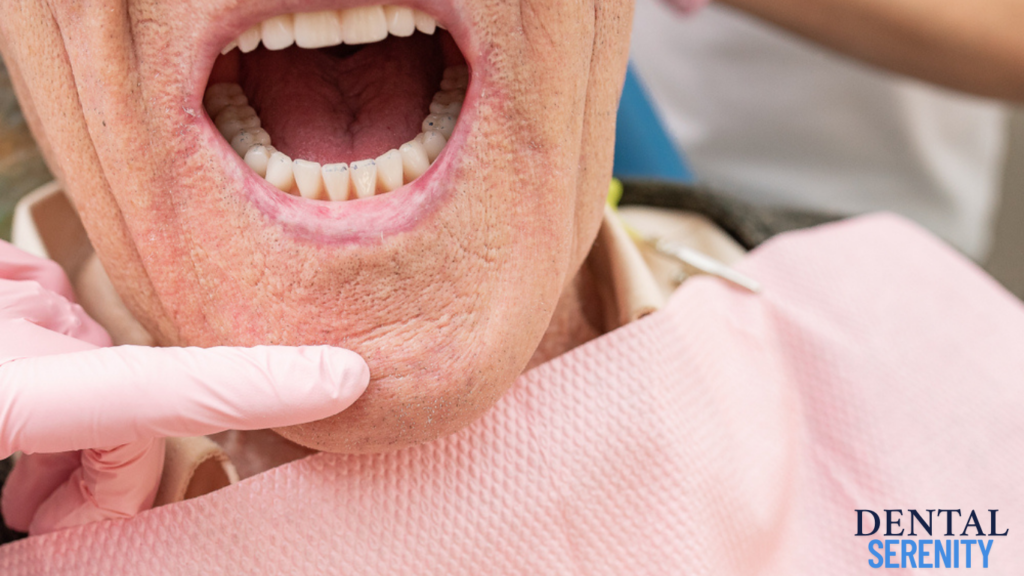
Full mouth dental implants Several replacement methods to meet different needs. Dental technology has also gotten better, offering patients many alternatives. These options will not only improve your ability to chew, they can also enhance the appearance of your teeth.
Traditional Full Arch Implants
Traditional full arch restorations rely on multiple implants to support a bridge for an entire arch of teeth. This is great for those looking to get a full mouth restoration and have sufficient bone. It offers a permanent and durable answer for both chewing and speaking.
“The conventional full arch implant surgery is a proven technique that has evolved over the years to provide patients with an effective and long lasting result,” comments Dr. A leading dental implants expert. It is a good option for people who prefer a non-removable and more natural looking teeth.
All-on-4 and All-on-6 Techniques
All-on-4 and All-on-6 are new procedures for full-mouth rehabilitation. The All-on-4 relies on 4 implants per arch, consisting of two in the front and two angled in the back. It can be good for people with bone loss because it often does not require bone grafting.
- The All-on-4 procedure results in less healing time because of its unique angled implant position.
- It is an efficient option for many patients, while providing outstanding stability with very few implants.
Strength and durability – The All-on-6 method utilizes six implants per arch. It’s ideal for people with high chewing needs, or strong jawbones. The additional implants provide more stability to the prosthetic teeth, allowing them to last longer, which in turn heightens patients’ confidence.
Implant-Supported Dentures
Implant-supported dentures are an excellent alternative to full mouth reconstruction. They are more stable and function better than traditional dentures, using two to six implants. It’s ideal for people transitioning from full dentures to something more permanent.
Opting for implant-supported dentures results in more efficient chewing and overall oral health. This feature is also detachable, so you can easily clean or maintain it.
How Many Implants Does It Take to Get a Full Mouth?
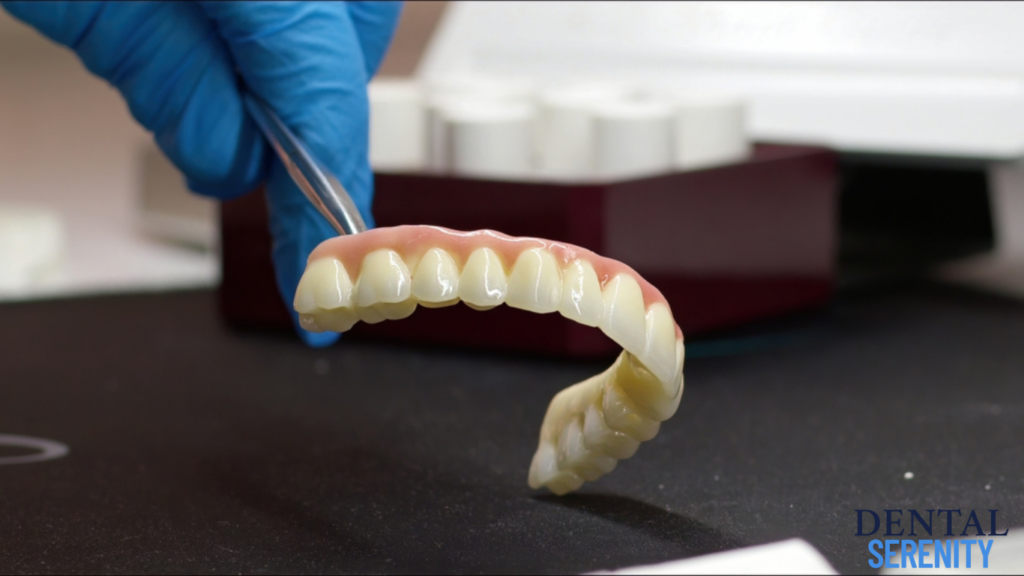
How many dental implants are needed for a full mouth? These factors include the health of the jawbone and the desired restoration. The following items are what the full mouth implant specialist will consider so that he or she can recommend an appropriate treatment.
Upper Jaw Requirements
The upper jaw typically requires more implants because its bone is softer. Implants for the upper jaw, at least six to eight in most cases. This stabilises and supports the prosthetic teeth.
Lower Jaw Requirements
The lower jaw requires fewer implants, since its bone is denser. Generally speaking, from four to six implants are enough for a full arch restoration.
Factors That Influence Implant Numbers
Many factors contribute to how many implants you need. These include:
- Jawbone volume and quality
- [The anatomy of the upper and lower arch]
- The restoration type (fixed bridge or removable denture)
- The patient’s budget
- Activating oral habits, including grinding or clenching
For a full assessment, consult with a full mouth implant expert.
| Jaw Type | Typical Number of Implants | Bone Density Consideration |
|---|---|---|
| Upper Jaw | 6-8 | Softer bone structure requires more implants for stability |
| Lower Jaw | 4-6 | Denser bone can support fewer implants |
Understanding these factors is key. It informs patients to make the right decisions. There must be an in-depth consultation with a dental specialist.
Full Mouth Implants Procedure and Cost Related:
Ta ke the first step to full mouth implant. This involves digital scans and bone health evaluations. Then, titanium implants are surgically inserted into the jaw. Then there is a period of healing while the implants fuse into place with the bone.
After recovery, abutments are placed and customized prosthetic teeth are connected. However, costs for those investigating full mouth implant options can vary greatly. It’s all relative to how many implants are required and complexity of the case. ACHIEVABLE OPTIONS such as the All-on-4, and All-on-6 are popular (they utilize 4 or 6 implants per arch).
For an individualized plan and cost, talk to a specialist. Those who want full mouth dental implants near me should look for dentists that have expertise. They provide phenomenal care and support in every single respect. The right dentist can mean a beautiful smile and good oral health.
FAQ
What are the number of implants required for full mouth?
The number of implants depends on the individual. It now is a function of the quality and volume of the jawbone. The type of restoration and your oral habits also make a difference, Dr. Levin said.
What are the different types of Full Mouth Dental Implant Options?
There are several options. Among them are the conventional full arch implants as well as the All-on-4 and All-on-6 treatments. There are also implant-supported dentures. Each has its own advantages, and is applicable to different needs.
How do full mouth dental implants with All-on-4 work?
The All-on-4 method is based on four implants per arch. The front ones, two on each side, are vertical. Two are angled in the back. It is best for those classified as bone loss patients.
Dental implants (All-on-4, All-on-6, and All-on-8) – What\’s the Difference?
All-on-4 is four implants per arch. All-on-6 and All-on-8 These are six or eight implants. The latter two make for a stronger and more durable chew, especially if the child has a strong jaw or higher chewing needs.
How many All on 4 implants do I need?
You need to be properly evaluated by a specialist in dentistry. They take into account the quality of your jawbone, what restoration you need and what your oral habits are like. That is information that’s important for figuring out what the best plan would be.
The price is dependent on multiple things. These factors include the amount of implants used, how difficult the case is and where you choose to have your dental practice.
What’s a typical timeframe for the full mouth implants process?
It is a four-step procedure which comprises assessment and surgery, then recovery and restoration. It is different in each case.
I have severe bone loss, can I get full mouth dental implants?
Yes, the All-on-4 approach is for patients who have lost bone. It is an alternative for full mouth rehabilitation.
Is All-on-4 a permanent solution and long lasting full mouth dental implants?
Yes, both are a long term permanent solution. They’re reliable and give you back the look and feel of real teeth.
How can I find a good full mouth dental implants near me dentist?
Find a dentist in your area with experience. They need to be full mouth dental implant specialists. They should provide quality care and encouragement.