

If dental implants are “permanent,” why do some people still lose them?
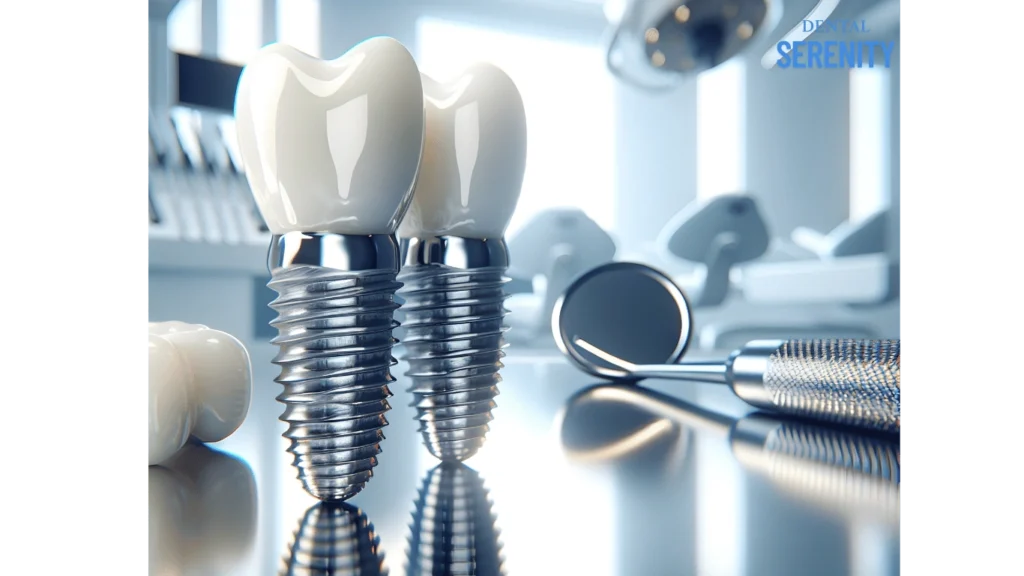
Dental implants are small, screw-like posts made of titanium. A dentist places them in the jawbone to act like an artificial tooth root. Once healed, they can hold a crown, bridge, or denture, restoring bite strength and a natural smile.
So, what is the success rate of dental implants? Studies show a success rate of 95% to 98%. However, not every case is successful, with a failure rate near 6% in some U.S. summaries. This difference is why the success rate can vary.
Implants are seen as a long-term solution. A study of 10,871 implants over 22 years showed many lasting 25–30 years. The parts that wear out first are the abutments and crowns, needing replacement every 15–20 years.
In the United States, the cost of implants is significant. A single implant can cost $3,000–$6,000 per tooth. This is more than bridges or dentures, which need replacement every 10–15 years or 5–8 years, respectively. This makes implants seem like a better long-term option if they last.
Tooth loss is common, especially with age. The World Health Organization found over 7% of adults 20+ have complete tooth loss. By age 60+, this number jumps to about 23%. This shows why older adults often consider implants.
This article explores what makes an implant successful. It looks at bone quality, smoking, diabetes, oral hygiene, implant size, timing, and placement. It also explains osseointegration, the process when bone bonds to the implant, which takes 3 to 6 months. For more details, see this dental implant placement guide.
Key Takeaways
- Dental implants are titanium posts placed in the jawbone to support a crown, bridge, or denture.
- When people ask, what is the success rate of dental implants?, many reports cite about 95% to 98%.
- The success rate of teeth implants can sound lower when a source focuses on “failure rate,” sometimes summarized near 6%.
- Implant posts can last 25–30 years or longer, but crowns and abutments often need replacement sooner.
- Typical U.S. pricing for one implant tooth often falls in the $3,000–$6,000 range, depending on what’s included.
- Age and tooth-loss trends matter: complete tooth loss rises sharply in older adults, and implant use is common in the 65–74 group.
What is the success rate of dental implants?
Dental implants are often called “highly successful.” But the success rates can vary. It’s important to understand the terms used and the time frame considered.
Success rate vs. survival rate vs. “failure rate” (why the numbers vary)
The survival rate of dental implants means they’re still in place and working at the check-in. Success is stricter. It requires no implant movement, no X-ray signs of bone loss, and no ongoing pain or infection.
The “failure rate” refers to implants that need to be removed. This can vary, with global failure rates around 3.1% and U.S. rates closer to 6%. These differences highlight the importance of understanding the terms used.
Dental implants success statistics: what research commonly reports
Studies show high survival rates early on, then a gradual decline. A 22-year study found 98.9% survival at 3 years and 94.0% at 15 years. Success rates were 97.4% at 3 years and 86% at 15 years.
Other research also shows good mid-term results. A 5-year study found 92.5% survival, with 149 implants surviving and 12 failing. U.S. guides often report success rates in the 95%–98% range, with implants lasting 25 years or more with proper care.
Dental implant outcomes in the United States: success rate by location, age, and timing

In the U.S., dental implants are getting more popular. The market is expected to grow to $3.15 billion by 2030. Every year, about three million implants are placed, but numbers can change.
Dental implant success can vary by clinic and community. With 178 million Americans missing at least one tooth, experience levels differ. About 32.8% of general dentists place implants, affecting success rates.
Dental implant success rate by location (upper vs. lower jaw; front vs. back)
The jaw is not uniform, affecting implant success. The upper back jaw has less bone and is near the sinus. This makes it harder to stabilize implants initially.
Studies show mandibular anterior placements have a 1% failure rate. Maxillary posterior placements have a 2.2% failure rate. Bone quality is crucial, with Type IV bone leading to higher failure rates.
Not all studies agree, so it’s important to consider the study design. Posterior regions have a higher survival rate than anterior regions. This reflects differences in bite forces and bone volume.
When failures happen: early vs. late implant loss
Early failure often relates to poor bone bonding to the implant. Late failure is more likely due to disease, design issues, or bite problems.
Doctors also distinguish between soft-tissue inflammation and deeper breakdown. Peri-implant mucositis involves bleeding and/or pus without deep pockets or bone loss. Peri-implantitis includes bleeding and/or pus with deeper pockets and bone loss.
Long-term monitoring is crucial because inflammation can quietly build up. One study found peri-implantitis affects 7.1% of patients at 8–10 years. Regular cleanings can help prevent this.
Mechanical issues can also reduce survival rates. Problems include crown debonding, loss of retention, and implant fracture. In one study, 5% of failures were due to crown debonding, and 3.1% were due to implant fracture.
Several risks can affect dental implant success. Smoking and diabetes increase failure risk. Parafunctional habits like clenching or grinding can also worsen outcomes. A study on single-implant procedures highlighted early healing challenges and common causes of failure, as described in a clinical early-survival report.
| Placement factor | What the data compared | Reported pattern in outcomes | Plain-English reason it can differ |
|---|---|---|---|
| Jaw region (example) | Mandibular anterior vs. maxillary posterior | ~1% failure vs. ~2.2% failure | Upper back jaw can have less dense bone and sinus limits |
| Bone quality | Type IV (low-density) bone | 35% failure reported in one cited study | Soft bone may not hold the implant as firmly during healing |
| Front vs. back trend (5-year cohort) | Anterior vs. posterior regions | Posterior showed higher survival (significant association) | Case selection and load patterns can shift results by region |
Dental implant success rate by age (what the data suggests)
Age can affect dental implant success, but not always. In one study, the 30–45 age group had higher survival rates. However, the differences were not significant.
Tooth loss increases with age. About 23% of people over 60 have lost all their teeth. Many seniors get implants later in life to regain function.
Some studies show higher failure rates in older patients. Yet, health and habits play a bigger role. Smoking, diabetes, gum health, and daily plaque removal are key factors. For more on age and implants, see best age to get dental implants.
Immediate vs. delayed placement and early survival rates
Timing is crucial for dental implants. Immediate placement means setting the implant at the extraction visit. Delayed placement allows the site to heal first.
In one study, delayed placement was associated with higher survival rates. This approach is especially important in challenging cases. It helps avoid infection and ensures enough bone support.
Implant length and early outcomes (short vs. standard implants)
Implant size affects how forces are distributed in the bone. Shorter implants have a higher failure risk. Geometry also plays a role, with smaller diameters leading to less support in thin bone.
Studies show that implant length is significant. Surviving implants averaged 4.02 ± 0.53 mm in diameter and 10.68 ± 2.19 mm in length. This aligns with the importance of dimensions in thin bone and high bite forces.
Dental implant success is often linked to modifiable risks. Smoking and diabetes increase failure rates. Non-smokers and those without diabetes have better outcomes. Habits like grinding teeth also impact success.
Long-term follow-up highlights the need for maintenance. Peri-implantitis occurs in 7.1% of patients at 8–10 years. Regular check-ups are crucial. Bone thickness and ridge dimensions also predict survival.
Choosing dental implants involves considering location, age, and timing. Grafting decisions are also important. Procedures like bone grafts or sinus lifts have a 5.64% failure rate. This emphasizes the need for personalized planning and informed consent.
Conclusion
So, what is the success rate of dental implants? Many reports say it’s around 95%–98%. But, long-term results can change. A study of 10,871 implants showed a 98.9% survival rate at 3 years and 94.0% at 15 years.
Another study found a 92.5% survival rate at 5 years. Some summaries say about 97% at 10 years and about 75% at 20 years.
Why do dental implants success rates vary? It’s because “survival” and “success” have different meanings. “Survival” means the implant is still in place. “Success” means it’s working well without issues.
For a clear overview, check out this dental implants success rate summary. It explains why definitions and follow-up length matter.
Outcomes depend on many things. Smoking and diabetes can make implants fail more often. Also, clenching and grinding can make them less stable.
Bone quality and where the implant is matter a lot. Type IV bone often fails more. But, implants in the front of the lower jaw do better than those in the back of the upper jaw.
We can control many things. The size of the implant and keeping it clean are important. Implants shorter than 6 mm are riskier. Regular dental visits can prevent problems.
Getting an implant costs $3,000–$6,000 per tooth in the U.S. With proper care, they can last 25 years or more. Check out this guide on dental implant success rates. Talk to your dentist about your chances of success.
FAQ
What is the success rate of dental implants?
Dental implants have a success rate in the mid-to-high range. This means they work well most of the time. But, success rates can change based on how long they last and personal health risks.
What are dental implants in plain language?
Dental implants are small, screw-like posts made of titanium. They are placed in the jawbone. They help support crowns, bridges, or dentures, making chewing and looking better.
What’s the difference between dental implant “success rate” and “survival rate”?
A: Dental implant survival rate means the implant is still working. “Success” is stricter. It means no looseness, no changes on X-rays, and no ongoing pain or infection.
What does “failure rate” mean for implants, and why do the numbers vary?
The success rate of teeth implants can vary. “Failure” is defined differently. It can mean the implant must be removed or has complications. This makes the numbers look inconsistent.
What do dental implants success statistics commonly report over time?
Early on, implants perform well. But as time goes by, results can change. It’s important to consider how long they last and under what conditions.
When do dental implant failures usually happen: early or late?
Early failures often happen during the bonding process with bone. Late failures are usually due to disease, design issues, or too much bite force.
What is peri-implant mucositis, and why does it matter?
A: Peri-implant mucositis is gum inflammation around an implant. It’s a warning sign. Treating it early can protect the implant’s long-term health.
What is peri-implantitis, and how is it different from mucositis?
A: Peri-implantitis is more serious. It includes inflammation, bleeding, and bone loss. It can threaten the implant’s stability.
How often should implants be professionally cleaned and monitored?
Regular visits for cleaning and checks are important. This helps prevent disease. Your schedule may depend on your health and habits.
What complications can happen even when an implant “survives”?
Even if an implant stays in place, problems can still occur. Issues like crown loss or implant fracture can happen.
How long do dental implants last, and what parts wear out first?
Implants can last decades. But parts like abutments and crowns may need to be replaced more often.
What is the typical U.S. cost for a single-tooth implant, and what’s usually included?
Costs in the U.S. vary. They include imaging, extractions, and the implant itself. Make sure to compare what’s included in each quote.
Are implants a better long-term value than bridges or dentures?
Implants are often seen as a long-term option. They may last longer than bridges or dentures. The value depends on replacement needs and costs over time.
Does dental implant success rate by location differ in the mouth?
Yes. Success rates vary by location in the mouth. The upper back jaw can be more challenging due to bone density and sinus anatomy.
Why does bone quality matter so much for dental implant outcomes?
Bone quality affects how well the implant bonds and handles forces. Lower-density bone is riskier, so bone quality is carefully checked before placement.
Does dental implant success rate by age change as people get older?
A: Dental implant success rate by age can seem to change. But age is not the only factor. Health, smoking, and hygiene play a bigger role.
What’s the difference between immediate and delayed implant placement?
Immediate placement is at or near the time of tooth removal. Delayed placement waits for healing. The choice depends on infection risk and bone volume.
Do short implants have a different risk profile than standard implants?
Yes. Short implants are riskier. Research shows they have a higher failure rate than longer implants. Narrow diameters also increase risk.
What are the biggest dental implant success factors a patient can control?
You can control smoking, diabetes, and hygiene. Regular check-ups also help catch problems early. This protects your implant’s long-term health.
What should patients ask a provider to make “success rate” personal?
Ask about definitions of success and survival. Check bone quality and implant size. Discuss bite management and maintenance. This makes the success rate personal to you.