

If dental implants are “permanent,” why do some still end up with gum recession, bone loss, or even visible metal over time?
Many clinicians talk about the 3/2 rule for dental implants. It’s a simple rule to help implants stay stable and look natural, not just on the day of surgery, but years later.
When patients ask, what is the 3/2 rule for dental implants?, the answer is straightforward. It points to minimum bone and spacing targets. These help an implant stay secure and look like a real tooth. It also connects to implant positioning in dentistry, because millimeters matter when bone and gum tissue heal around a new implant.
The “rule” isn’t a strict law. Depending on training and the situation, a dentist may use it to describe bone levels, spacing, or even soft-tissue positioning. You might see it explained in different ways, including this overview of the three-by-two rule for implant placement.
In this article, we focus on outcomes people care about. We talk about healthy gums, stable bone, natural contours, fewer surprises, and a confident smile. We also highlight how modern implant planning uses 3D imaging, digital workflows, and restorative-driven placement. This way, the final tooth looks right, not just the implant fitting where bone happens to be available.
Key Takeaways
- The 3/2 rule for dental implants is a planning shortcut dentists use to guide long-term stability and aesthetics.
- What is the 3/2 rule for dental implants? It can refer to bone targets, spacing targets, or soft-tissue positioning, depending on the case.
- Dental implant guidelines often focus on protecting bone and gum tissue, not just placing an implant in available bone.
- Implant positioning in dentistry influences gum contours, bone support, and whether implant threads may become visible.
- Today’s planning commonly combines 3D scans, digital design, and restorative-driven placement for more natural results.
- The “rule” supports better chewing comfort and smile confidence by reducing preventable complications over time.
What is the 3/2 rule for dental implants?

Many patients wonder about the 3/2 rule for dental implants. It’s a way to guide how deep and spaced implants should be. It also helps with how well the bone and gums heal.
Since everyone’s body is different, these numbers are just goals. They help ensure the implants are stable and look good. The healing time also depends on the bone and gum thickness.
Two common clinical meanings you may hear from dentists
In dental visits, “3/2” can mean a few things. It might talk about bone support or how the implant looks in the mouth.
It’s explained in simple terms as a balance between support and looks. For more info, check out what the 3/2 rule means for dental implants.
| 3/2 meaning heard in clinic | “3” target | “2” target | Why it matters in planning |
|---|---|---|---|
| Bone support shorthand | More bone height above key structures when possible | More bone thickness around the implant | Improves force handling and helps protect supporting tissues |
| Spacing + facial bone thickness | About 3 mm between neighboring implant platforms | At least 2 mm facial (buccal) bone over the implant | Supports papilla fill and lowers the risk of “shadowing” through thin gum |
| Soft-tissue positioning (esthetic guideline) | About 3 mm apical to the planned gingival zenith | About 2 mm palatal to the zenith for tissue support | Shapes emergence profile and helps the gumline look natural around the crown |
Bone-based interpretation: 3 mm of bone above the implant and 2 mm of bone on the sides
Some offices use “3/2” to talk about jawbone on X-rays. “3” is a safety margin of bone height. “2” is about side-to-side bone thickness for support.
This is seen as a dental implant jaw bone ratio. It’s not a single measurement. The goal is to support the implant without overloading thin bone areas.
Spacing/bone-thickness interpretation: about 3 mm between neighboring implant platforms and at least 2 mm of facial
Another meaning is about spacing and coverage. “3” means keeping 3 mm between implants for healthy bone and tissue.
“2” aims for at least 2 mm of facial bone over the implant. This helps the gumline stay natural during healing.
Soft-tissue positioning interpretation: implant shoulder about 3 mm below the planned gingival zenith and about 2 mm
A classic esthetic guideline places the implant shoulder about 3 mm below the planned gingival zenith. It also aims for about 2 mm of palatal positioning for tissue support. This approach is still mentioned in some consultations.
However, newer teachings question this depth target. With modern connections and “Zero Bone Loss” concepts, deeper placement might be better. It improves soft-tissue thickness and long-term emergence, while respecting the dental implant ratio.
Why the 3/2 rule matters for implant positioning in dentistry and long-term stability
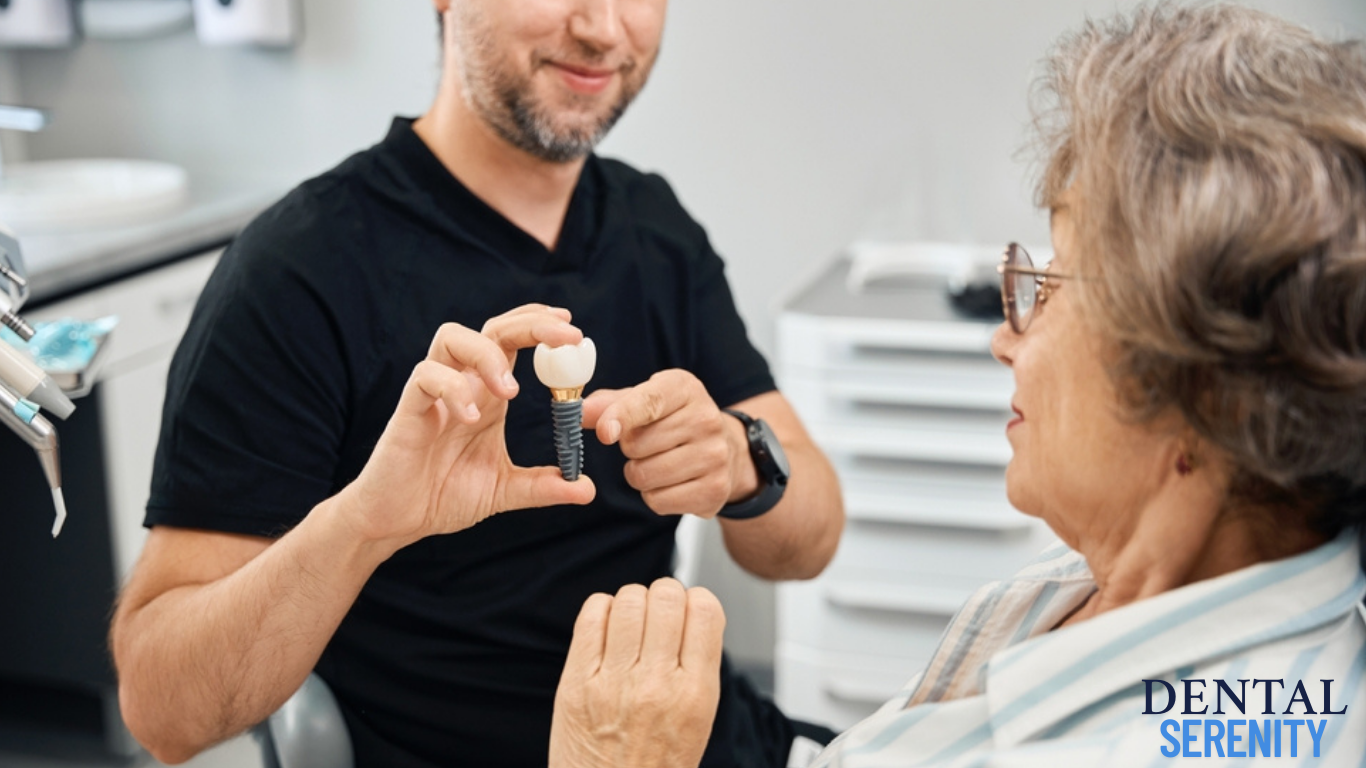
The 3/2 rule is more about keeping things stable for patients. It ensures steady bone, calm gums, and a crown that looks natural. This makes cleaning easier and helps the implant look right at home.
During the healing period, this planning means fewer surprises. The site adapts well to daily use.
Dental implant success factors tied to bone support and spacing
Success in dental implants starts with good bone and gum support. The right spacing helps the body keep bone in place. Facial support keeps the gumline looking good.
Learn more about the 3/2 rule for dental implants here. It explains these measurements in a simple way.
Think of an implant like a fence post. It needs enough support to stay firm and hidden. Thin support can cause tissue to shrink, affecting the final look.
Treatment planning is done carefully, not rushed. This is especially true during the healing period.
How the “3 mm” target can protect papilla and reduce black triangles between implant crowns
The “3 mm” rule helps avoid crowding between implants. Tight spacing can make the gum between teeth look uneven. This can cause black triangles between crowns, noticeable in photos.
With enough space, the tissue between crowns stays healthy. It’s easier to clean and supports even chewing, reducing stress on the implant.
How the “2 mm facial bone” target supports gum contours and helps limit thread show-through
The facial bone is very delicate and can change after surgery. Aiming for 2 mm of facial bone helps the gumline stay smooth. This reduces the risk of implant thread exposure.
Thin facial support can make the crown look bulky. This affects the esthetics, which is important for adults. Implant positioning considers the face, not just the bite.
How the dental implant crown ratio and emergence profile are influenced by depth and facial position
Depth and facial position affect how the crown looks. Placing the implant too shallow or too facial can make it look bulky. This can also make the tooth appear uneven.
| Planning focus | What it shapes | What patients may notice | What clinicians monitor during the dental implant stabilization period |
|---|---|---|---|
| Inter-implant spacing (often guided by the “3 mm” idea) | Papilla fill and bone peak between implants | Fewer black triangles and less food trapping between implant crowns | Soft-tissue maturity, plaque control, and early crestal bone stability |
| Facial bone thickness (often guided by the “≥2 mm” idea) | Gum contour and long-term tissue support | Lower risk of thread show-through or a gray hue near the gumline | Facial tissue thickness, recession risk, and contour stability in the smile zone |
| Implant depth and facial position | Emergence profile and dental implant crown ratio | A crown that looks less bulky and more like a natural tooth | Provisional contour response, tissue shaping, and comfort during function |
When planning is done right, the result is a stable and natural-looking implant. Modern planning focuses on both looks and function. It keeps success factors in mind from start to finish, without rushing the healing process.
How dentists measure and plan dental implant guidelines using imaging and timing
Modern implant planning focuses on health, function, and looks. Dental implant guidelines aim for a natural bite and smile. Many teams use the 3/2 rule reference for gum lines and bone support in the esthetic zone.
Assessment and diagnostics: medical history, periodontal status, bite forces, and smile-line goals
Before scanning, dentists review medical history and current meds. They check gum health and signs of infection. Periodontal status is key because inflamed tissue can affect healing and increase risk.
Bite forces are mapped, as heavy clenching can strain early stability. Smile-line goals are considered next. The team measures gum show when smiling and how teeth frame the lips. These details guide depth and angulation, affecting the dental implant jaw bone ratio.
CBCT and 3D imaging to evaluate dental implant jaw bone ratio and confirm facial bone thickness
CBCT (3D X-rays) measure bone height, width, and nearby anatomy like the sinus and nerve canal. This view supports safer drilling paths and better crown position planning. It also confirms facial bone thickness to protect gum contour and reduce gray shadow risk.
During planning, clinicians check spacing targets and tooth and ridge relationship. The dental implant jaw bone ratio is practical here. It shows if the implant can handle chewing forces without pushing the restoration too far forward or too long.
Digital wax-ups and guided surgery to help maintain the intended dental implant ratio and implant spacing
Intraoral scans capture teeth and gums in detail. A digital wax-up sets the ideal tooth shape and position first. This plan guides implant placement for a clean, easy-to-clean crown.
CAD/CAM surgical guides help transfer the plan to the mouth with control over depth, angle, and spacing. This consistency supports dental implant guidelines that prioritize esthetics and function, protecting soft tissue architecture during the dental implant stabilization period.
What happens when the targets can’t be met: bone grafting, sinus lift, or choosing different implant sizes
If the ridge is too thin, bone grafting might be needed. This is before or during the implant placement. In the upper jaw, a sinus lift might be needed to make room.
Choosing a narrower or shorter implant can also help. This reduces risk without hurting the plan for your teeth.
These choices might make the process take longer. But, they help keep your gums and bone healthy. This makes your smile look more natural.
The healing time might seem longer with grafting. But, it often leads to a stronger base for your crown.
| Planning step | What the team measures | Why it matters for placement and timing |
|---|---|---|
| Health and gum evaluation | Medical risks, periodontal status, tissue inflammation | Reduces infection risk and supports steadier healing during the dental implant healing period |
| CBCT review | Bone height/width, facial bone thickness, sinus and nerve positions | Improves safety margins and helps confirm a workable dental implant jaw bone ratio |
| Restorative-first design | Digital wax-up tooth position, gum-line goals, bite contacts | Keeps the implant aligned with the final crown, supporting consistent dental implant guidelines |
| Guided placement and staging choices | Spacing, angulation, need for grafting or sinus lift, implant size options | Helps protect stability during the dental implant stabilization period and avoids forcing an implant into weak anatomy |
Conclusion
So, what is the 3/2 rule for dental implants? It’s a guide for placing implants. It helps ensure implants are in the right spot. The rule is about keeping a 3 mm gap and 2 mm of bone for the gumline.
It’s also about soft tissue. Implants should be 3 mm below the gum line and 2 mm towards the palate. This keeps the bone and gum healthy, making the implant look natural.
These guidelines are key for a successful implant. They help avoid problems like black triangles and gum recession. With proper placement, the crown will look and feel natural, making daily cleaning easier.
Implant dentistry is always getting better. Experts like Calvin Eastwood, DDS, say older methods might not meet today’s esthetic needs. New ideas, like those from Tomas Linkevičius, show deeper placement and polished zirconia can lead to healthier gums.
Using advanced tools like CBCT and digital wax-ups makes the 3/2 rule more precise. It becomes a personalized plan for long-term comfort and confidence.
FAQ
What is the 3/2 rule for dental implants?
The 3/2 rule is a guide for dental implants. It helps make sure implants look and feel natural. It also keeps gums and bone healthy.
Why do patients hear more than one meaning of the “3/2 rule”?
There are many uses for the “3/2 rule”. Doctors use it for spacing, bone thickness, or soft-tissue positioning. The exact use depends on the doctor and the patient’s needs.
Is the 3/2 rule a universal law in dental implant guidelines?
No, the 3/2 rule is not a universal law. It’s a helpful shortcut used with full planning and beauty goals. The best plan always fits the patient’s unique needs.
What does the spacing and bone-thickness interpretation of the 3/2 rule mean?
“3” means keeping about 3 mm between implants for better bone and tissue health. “2” means aiming for at least 2 mm of facial bone thickness. This helps with natural bone changes.
How does the “3 mm spacing” target help prevent black triangles between implant crowns?
Proper spacing keeps bone and gum tissue healthy. Too little space can cause gums to recede, leading to black triangles. It also helps with stress and safety.
Why is “at least 2 mm facial bone” considered important for implant success factors?
The facial bone wall is more likely to shrink. Targeting ≥2 mm facial bone thickness supports the gumline. This lowers the risk of implant problems.
What is the soft-tissue positioning interpretation of the 3/2 rule?
A classic rule places implant depth about 3 mm below the gum line. It also places the implant/abutment interface about 2 mm back. This idea was mentioned in a 2008 dental journal.
Is the 2008 soft-tissue depth approach still considered current for 2025+ cases?
Some doctors think this approach might be too shallow for today’s needs. Calvin Eastwood, DDS warns it could lead to thin tissue and prosthetic issues.
Why do modern implant connections change how dentists think about depth?
Earlier implant connections were riskier for bone loss. Modern conical connections allow deeper placement without worrying about bone loss.
What deeper placement targets has Calvin Eastwood, DDS described for immediate implant placement?
In immediate placement, Calvin Eastwood, DDS aims for the implant to be about 6 mm below the gum line. He also wants 3+ mm of polished zirconia on the final restoration for tissue support.
What depth targets may be used in a healed site, and how does tissue thickness change the plan?
In healed sites, Calvin Eastwood, DDS plans for the implant to be about 4 mm below the soft tissue. Thin tissue (about 2 mm) means ≥2 mm subcrestal placement. Average tissue (about 3 mm) means ≥1 mm subcrestal.
How do depth and facial position affect the dental implant crown ratio and emergence profile?
Depth and facial position shape how the crown looks like it grows from the gum. Poor positioning can lead to bulky crowns. Deeper placement with modern connections helps create a smoother look.
What is the “dental implant jaw bone ratio” concept patients may hear, and how does it relate to stability?
Some patient education uses “ratio” language to explain implant support. It’s not a single formula, but it links to dental implant thinking.
How do dentists measure these targets using CBCT and 3D imaging?
Dentists use CBCT (3D X-rays) to measure bone and nearby structures. This helps confirm if goals like ≥2 mm facial bone and safe spacing can be met.
What other assessments matter besides measurements?
Planning includes medical and dental history, periodontal evaluation, and bite-force assessment. Smile-line goals are also key because implants are both health and beauty decisions.
FAQ
Q: How do digital wax-ups and guided surgery help maintain implant spacing and positioning?
A: Digital wax-ups and scans set tooth positions first. Then, implants are placed to match that plan. A surgical guide ensures the plan is followed during surgery.
Q: What happens if the 3/2 targets can’t be met because bone is too thin or too limited?
A: If bone is too thin, bone grafting might be needed before or during placement. In the upper jaw, a sinus lift might be required. Sometimes, a different implant size or staged treatment is chosen.
Q: How do these planning choices affect the dental implant healing period and stabilization period?
A: Following spacing, bone-thickness, and depth goals can change the care sequence. This is especially true when grafting is involved. These steps help ensure safer integration and a stronger foundation during the stabilization period.
Q: What are the most important patient takeaways from the 3/2 rule discussion?
A: The main point is that the “rule” is flexible. Dentists use it to talk about ~3 mm spacing and ≥2 mm facial bone. Today, these targets are checked with CBCT, digital planning, and restorative-driven placement.