
If you need an implant, do they put you to sleep for dental implants? This is a common worry. It comes from a misunderstanding of what “sleep” means in dentistry.
Dental implant placement is a surgical procedure. But it’s usually not major surgery. You don’t have to be fully asleep. The goal is comfort. Your care team uses anesthesia to make sure you don’t feel pain during the procedure.
For many patients, local anesthesia is enough. Your dentist won’t start until you’re fully numb. You might feel pressure or movement, but you won’t feel sharp pain.
But anxiety is real. During your consultation, you can talk about your worries. You can share your health history and any medications or supplements you take. If stress is a big factor, options like oral sedation for dental implant surgery may help you feel calm while still staying responsive.
So, do they put you to sleep for dental implants? Sometimes—but not usually. “Sleep” can mean anything from being awake and numb, to feeling deeply relaxed with conscious sedation, to general anesthesia in select cases. The right anesthesia for dental implant procedure depends on you and what your appointment includes, like extractions or a bone graft.
Key Takeaways
- Dental implants are surgical, but most cases don’t require being fully asleep.
- Anesthesia for dental implant procedure care is designed to keep you comfortable and pain-free.
- Local anesthesia numbs the area; you may feel pressure, not pain.
- “Put you to sleep” can mean numb only, relaxed sedation, or full general anesthesia.
- Your sedation plan is based on your anxiety level, medical history, and the complexity of the work.
- A clear consultation often reduces fear by setting expectations before surgery day.
Do they put you to sleep for dental implants?
When you ask if they put you to sleep for dental implants, the answer varies. It depends on your plan, comfort level, and the complexity of the visit. Many people stay awake and do just fine. Others prefer a calming option to make the appointment feel shorter and less stressful.
Your care team focuses on your comfort and safety throughout. If you choose conscious sedation for dental implants, you can relax while still responding to simple instructions.
Why anesthesia is used during dental implant surgery
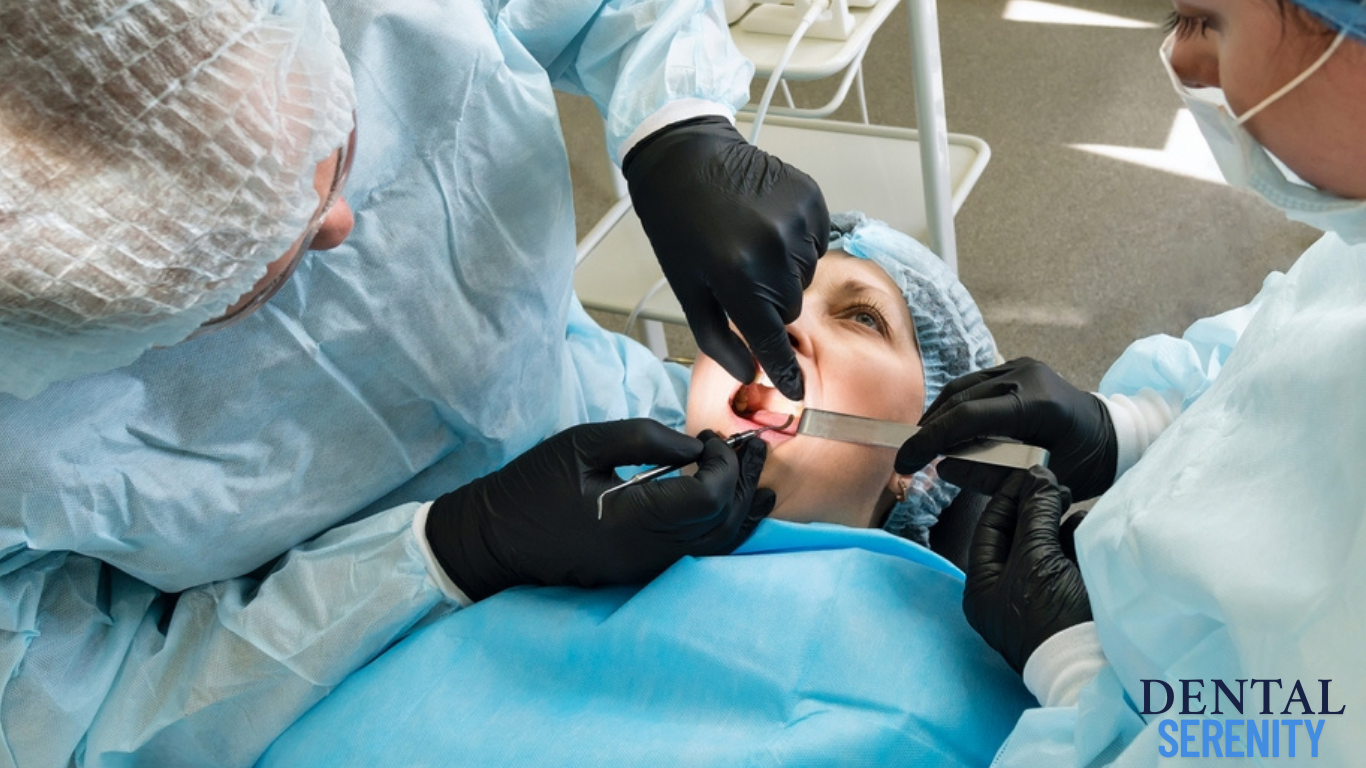
Dental implant placement is a minor surgery, so anesthesia is used to block pain. Your dentist applies local anesthetic and waits until the area is fully numb before starting. You may still notice pressure or vibration, but pain should be controlled.
Anesthesia and sedation also ease anxiety and reduce jaw and shoulder tension. This is important during longer appointments, when staying still is crucial for a smooth procedure. For a quick guide on sedation, this dental implant sedation guide explains the basics in simple terms.
What determines whether you’re asleep or awake
People often wonder if they’ll be asleep for dental implants. Your dentist or oral surgeon decides based on several factors. These include how many implants you’re getting, if bone grafting is needed, and how you handle dental anxiety.
Medication choice also matters. Conscious sedation for dental implants can be given as a pill, nitrous oxide, or IV sedation, often alongside local anesthetic. IV sedation starts its calming effect quickly, and many patients remember little of the visit afterward.
| Factor | How it affects your comfort plan | What you might notice during the visit |
|---|---|---|
| Number of implants | More implants can mean a longer appointment, so added sedation may be considered. | Less awareness of time; you may feel mild pressure but not sharp pain. |
| Bone graft or added surgery | Extra steps can increase time and stress, which may shift the plan toward deeper sedation. | More numbness and monitoring; fewer “breaks” needed to reset your comfort. |
| Dental anxiety or gag reflex | Higher anxiety often makes conscious sedation for dental implants more helpful. | Calmer breathing, looser muscles, and easier tolerance of sounds and sensations. |
| Medical history and medications | Some health conditions affect which sedatives are safest, so the plan is customized. | Vital signs are monitored; recovery instructions may be more specific. |
For a patient-friendly look at IV sedation, conscious IV sedation details explain how it’s delivered and why monitoring matters.
Is being fully asleep usually necessary?
For many routine cases, being fully asleep is not needed. Local anesthesia often provides strong pain control, and you stay awake with a normal recovery. That’s why the answer to do they put you to sleep for dental implants is often “not usually,” especially for one or two implants.
Still, some patients prefer a deeper level of calm. Conscious sedation for dental implants can be a middle ground—more relaxed than local anesthetic alone, without the full “knocked out” feeling of general anesthesia.
Sedation options for dental implants and anesthesia for dental implant procedure
Choosing the right comfort plan is key to feeling ready for implant day. Your dentist will discuss your health history, anxiety level, and surgery complexity. Then, you can pick the sedation options for dental implants that fit your needs and budget.
Often, you’re not fully asleep. Instead, a mix of strong numbing medicine and calming options keeps you relaxed while your mouth stays pain-free.
Local anesthesia for dental implant procedure
Local anesthesia is an injection that numbs the gums and surrounding tissue where the implant will be placed. You stay awake but the area is “asleep.” Before starting, your dentist checks that you are fully numb.
You may feel pressure, vibration, or gentle tugging during placement. That’s normal. With good numbing, you shouldn’t feel pain, even when more than one implant is being placed.
The dose can vary based on the plan for the day. If you also need a tooth extraction before the implant goes in, your dentist may adjust the amount of anesthetic so you stay comfortable from start to finish.
Conscious sedation for dental implants (twilight anesthesia)
Conscious sedation is designed to help you feel calm while still breathing on your own and responding to simple directions. You’re awake, but often in a dream-like state, and many people remember little of the appointment.
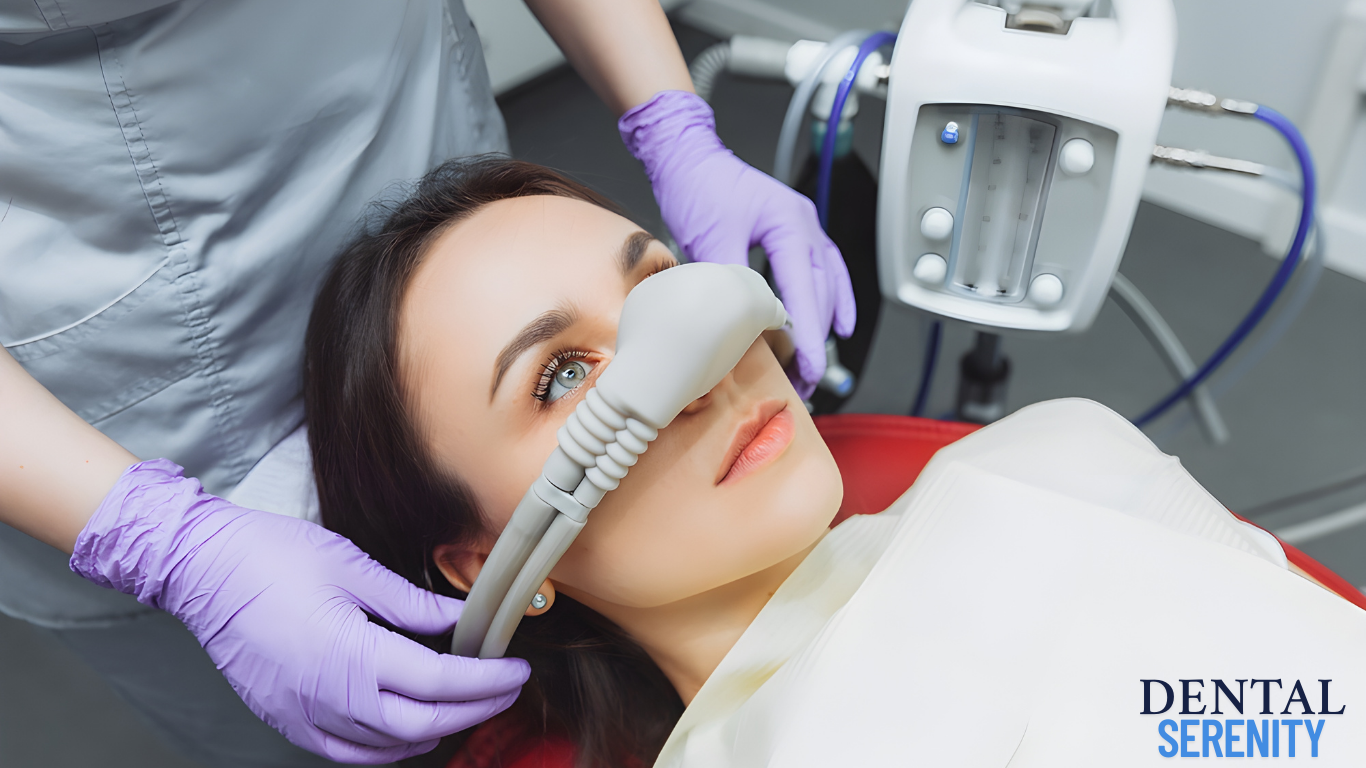
- Nitrous oxide (laughing gas) can take the edge off quickly and wears off fast.
- Sedating medicine can offer deeper relaxation, especially for longer visits.
This approach is often paired with local anesthesia, which handles pain control while the sedation helps with stress and tension.
Sleep dentistry for dental implants and oral sedation for dental implant surgery
If dental fear is your biggest barrier, sleep dentistry for dental implants can make the visit feel much easier. Oral sedation for dental implant surgery is a common approach. You take a pill before treatment. You may feel drowsy and less aware of time, but you are typically not completely unconscious.
Because oral sedatives can affect alertness for hours, plan ahead for a ride home and a lighter schedule. For a practical overview of what patients often experience, see this guide to being sedated during dental implant.
General anesthesia: when they may put you fully to sleep
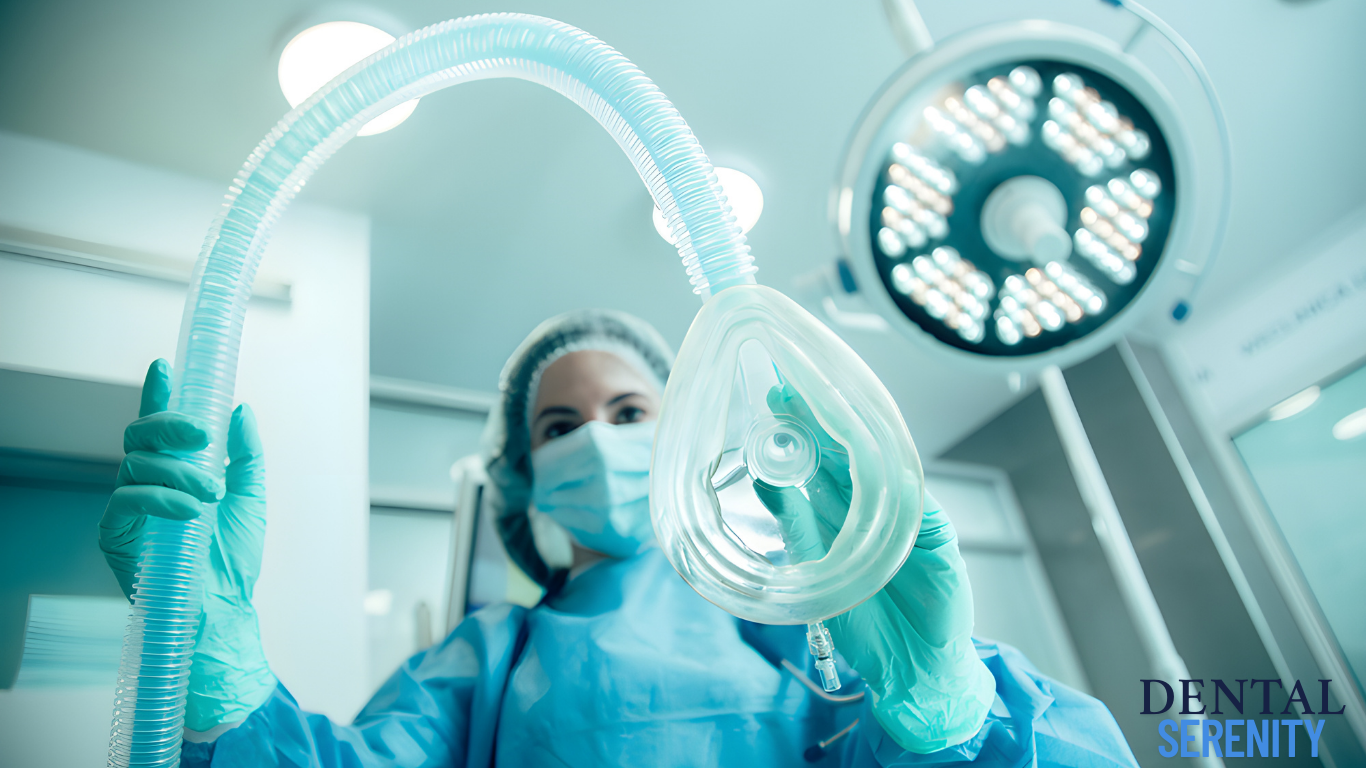
General anesthesia is the strongest option. It means you are fully asleep and won’t remember the procedure. It’s not common for routine implant placement, but it may be considered for complex surgeries, such as cases that include bone grafting.
General anesthesia usually involves a longer recovery period and closer monitoring. Your dentist or oral surgeon will review medical risks, safety steps, and aftercare so you know what to expect.
| Approach | How it feels during treatment | Memory of the visit | Common fit | Recovery notes |
|---|---|---|---|---|
| Local anesthesia | Mouth is numb; you may feel pressure but not pain | Full awareness | Single implant, straightforward placement, value-focused care | Numbness fades over a few hours; mild soreness is still possible later |
| Conscious sedation | Relaxed, “twilight” feel while local anesthesia blocks pain | Often partial or fuzzy | Dental anxiety, longer appointments, multiple implants | May need a ride home depending on depth of sedation |
| Oral sedation | Drowsy and calm; time may feel shorter | Often limited | Moderate anxiety, sensitive gag reflex, stress around injections | Ride home needed; avoid driving and major decisions for the day |
| General anesthesia | Fully asleep | No memory | Complex surgery, bone grafting, select medical or surgical needs | More monitoring and downtime; follow post-op instructions closely |
After any of these sedation options for dental implants, it’s normal to have some tenderness once the numbness wears off. Many patients do well with ibuprofen, ice packs for swelling, soft foods, and careful brushing. Warm salt-water rinses and follow-up checks help your team track healing as the implant bonds with bone.
Conclusion
Most of the time, you don’t need to be fully asleep for dental implants. Local anesthesia is usually used. It numbs your gum and nearby tissue, keeping you awake.
If you’re nervous or the procedure is complex, sedation might be added. This helps you feel more comfortable.
Start by scheduling a consultation. You’ll discuss what your visit will include. This could be an extraction, bone graft, implant, abutment, or crown.
You’ll also share your health history, allergies, and current medications. This helps your dental team choose the right sedation for you. Some clinics might suggest sleep dentistry for anxious patients or complex surgeries.
After your visit, it may take a few hours for the numbness or sedation to wear off. Follow the aftercare instructions given to you. Use the pain reliever as directed, and brush and floss gently around the implant site.
For a few days, eat soft foods and avoid hot, spicy, or crunchy items. This helps prevent irritation.
Implants are made to last and help your jawbone grow with it. Crowns might need fixing, but the implant stays strong. Keeping them clean and visiting the dentist often is key.
Don’t chew ice, eat hard candy, or grind your teeth. Pick the safest anesthesia for your surgery. General anesthesia can be safe if watched closely.
FAQ
Do they put you to sleep for dental implants?
Usually, no. Dental implant placement is a surgical procedure but not major surgery. So, you often don’t have to be fully asleep. Many people do well with local anesthesia alone. Sedation options for dental implants are also available if you want extra relaxation.
When people ask, “do they put you to sleep for dental implants,” what does “sleep” actually mean?
“Put you to sleep” can mean a few different things. It might mean being fully awake but numb with local anesthesia. Or it could mean being very relaxed with conscious sedation for dental implants. Or it could mean being fully asleep under general anesthesia. Your dental team will explain which level fits your needs and treatment plan.
Why anesthesia is used during dental implant surgery?
Anesthesia is used to block pain and improve comfort during an invasive procedure like implant placement. Your dentist administers local anesthetic and waits until you’re fully numb before starting. Sedation can also help reduce anxiety and make longer appointments easier to tolerate.
Will you feel pain during the dental implant procedure?
With a powerful local anesthetic, your dentist won’t begin until you’re completely numb. You may feel pressure, vibration, or movement, but you shouldn’t feel pain during implant placement. If you’re very anxious, sedation can help you stay calm throughout the appointment.
What determines whether you’re asleep or awake during implant placement?
The choice is individualized. Your comfort level, anxiety, medical history, current medications or supplements, and the procedures planned all matter. Your provider uses this information to choose the safest anesthesia for dental implant procedure and the most comfortable plan.
Is being fully asleep usually necessary for dental implants?
In most cases, no. Most patients can have implants placed with local anesthesia, and sedation is optional. General anesthesia is typically reserved for specific situations, like complex surgery, multiple procedures at once, or significant dental anxiety that can’t be managed with lighter options.
What is local anesthesia for dental implant procedure?
Local anesthesia is an injection that numbs the gums and surrounding tissue where the implant will be placed. You stay conscious and aware. Your dentist will check that you’re fully numb before starting, and the dose may vary depending on whether a tooth extraction is also needed.
What is conscious sedation for dental implants (twilight anesthesia)?
Conscious sedation helps you feel deeply relaxed while still able to respond to instructions. Many patients remember little of the appointment afterward. It can be helpful if you’re nervous, have a sensitive gag reflex, or need a longer visit for multiple implants or added procedures.
What is sleep dentistry for dental implants, and is oral sedation for dental implant surgery an option?
Sleep dentistry for dental implants usually refers to sedation that makes you very relaxed, not necessarily fully asleep. Oral sedation for dental implant surgery involves taking a prescribed sedative pill before treatment to ease anxiety. You’ll still receive local anesthesia for pain control, and you’ll typically need someone to drive you home.
When might general anesthesia be used to put you fully to sleep?
General anesthesia may be considered for complex or extensive treatment plans—such as implant placement combined with multiple extractions or bone grafting—or when severe anxiety or medical needs make other approaches less suitable. Your dental team will review your health history and medications to decide if this is safe and appropriate.
How should you plan your anesthesia or sedation choice during the initial consultation?
Use your initial consultation to talk openly about pain concerns and anxiety. This conversation can reduce fear and help you understand each step—extraction, bone graft (if needed), implant, abutment, and crown. Together, you and your provider can choose the best-fit anesthesia and sedation options for dental implants based on safety and comfort.
How long does numbness or sedation last after dental implant placement?
Numbness and sedation effects can take a few hours to wear off. Follow your aftercare instructions, take prescribed or over-the-counter pain relievers as directed, and brush and floss gently around the site. For several days, avoid hot, spicy, or crunchy foods, and stick to soft foods to reduce irritation while the area heals; stitches may dissolve after a few days.
Are dental implants long-lasting, and what helps them succeed long term?
Implants are designed to be long-lasting and integrate into the jawbone, which can help prevent further bone loss. If damage occurs, the crown may need repair or replacement, while the implant itself often remains. Brush twice daily, floss daily, keep regular cleanings and checkups, and avoid smoking or habits like chewing hard candy or ice; if you grind your teeth, ask about protection to support implant success.