

Denture Implants: The Complete Guide to Permanent Tooth Replacement.
Image eating your favorite meals, speaking properly, and smiling without worrying that your teeth will suddenly fall from your gum. Denture implants are a life-changing treatment for millions of Americans.
Traditional dentures are classic but have major setbacks. For the uninitiated, denture implants are a significant leap for oral health. As roots, they are titanium posts that maintain replacement teeth firmly in place.
Dental implants receive solid support from the Mayo Clinic on artificial teeth, ensuring no slipping or discomfort. According to research from Cleveland Clinic, dental implants return your smile and self-confidence. The important difference between removable dentures and implant-supported teeth is that the latter do not come undone.
Key Takeaways:
Denture implants contain titanium posts that integrate with the jawbone via osseointegration;
They offer permanent denture solutions that do not become loose or shift;
Dental implants maintain jawbone health and natural facial structure;
They can be used to eat virtually any food without restriction or embarrassment;
They restore up to 100 percent of the tooth’s natural bite strength;
Implants require minimal maintenance and can last longer than other oral treatments; The technique saves against bone loss that typically occurs when teeth are missing.s.

What are denture implants?
Denture implants are posts made of titanium that your dentist places in your jawbone. They act as fake tooth roots. Unlike normal dentures, these implants are permanently lodged in your mouth.
The titanium is body-safe. It can accommodate various kinds of teeth, including crowns or full dentures.
The Dental Implant System Components
A complete implant system contains three components:
| Component | Material | Function |
|---|---|---|
| Implant Post | Titanium | Acts as artificial tooth root anchored in jawbone |
| Abutment | Titanium or Zirconia | Connects implant post to prosthetic tooth |
| Crown/Prosthetic | Porcelain or Ceramic | Visible tooth replacement that restores function |
The Way In Which Dental Implants for Dentures Become Part of Your Jawbone
The reason that dental implants work is due to osseointegration. Your jawbone cells fuse to the titanium implant. This process, which takes three to six months, makes the implant very stable.
The implant fuses with your jaw. It prevents the bone loss that comes from missing teeth, and preserves the shape of your face.
Who Are Good Candidates For This Procedure
Implants are not a perfect fit for everyone. Your dentist will look for a few things:
Sufficient jawbone for securely holding the implant
The presence of healthy, periodontal-disease-free gum tissues
Having good general health and not having any medical condition that can impair healing
Non-smoker or desire to quit
Dedication to Oral Cleanliness
Fully formed jawbone (usually above 18 years)
Those with certain health conditions may need additional testing. Your dentist will examine X-rays and CT scans in order to plan the optimal placement of the implant.
FAQ
How long do denture implants last?
Mayo Clinic says dental implants can last a lifetime with the right care. This means keeping your teeth clean, going for regular dental check-ups, and avoiding chewing hard things. How long your implants last depends on your health, lifestyle, and care routine.
Is the dental implant procedure painful?
Cleveland Clinic says you won’t feel pain during the implant placement because of local anesthesia. After, you might feel some discomfort like swelling and pain at the site. But, this is usually managed with medicine from your dentist or surgeon.
How much bone is needed for dental implants?
You need enough bone to support the implants. If your bone is too soft, you might need a bone graft first. Your surgeon can use your own bone, synthetic materials, or donor bone to strengthen your jaw.
Can smokers get denture implants?
Smoking doesn’t mean you can’t get implants, but Cleveland Clinic prefers non-smokers. Smoking can slow down healing and increase failure risks. Your dentist will talk to you about quitting before the procedure.
How long does the entire dental implant process take?
Mayo Clinic says the whole process takes several months. It includes the initial visit, tooth removal, implant placement, healing time, and attaching the artificial tooth. The healing time alone is several months for the bone to fuse with the implant.
What happens if a dental implant fails?
If an implant fails, it can be removed and tried again after three months. Mayo Clinic says most implants work when patients take good care of them. Your surgeon will figure out why it failed and plan a new approach.
Do I need a specialist for denture implants?
You might see several specialists depending on your needs. This could include a surgeon, periodontist, prosthodontist, and sometimes an ENT specialist. Your dentist will work with these experts to give you the best care.
Latest From Our Blog
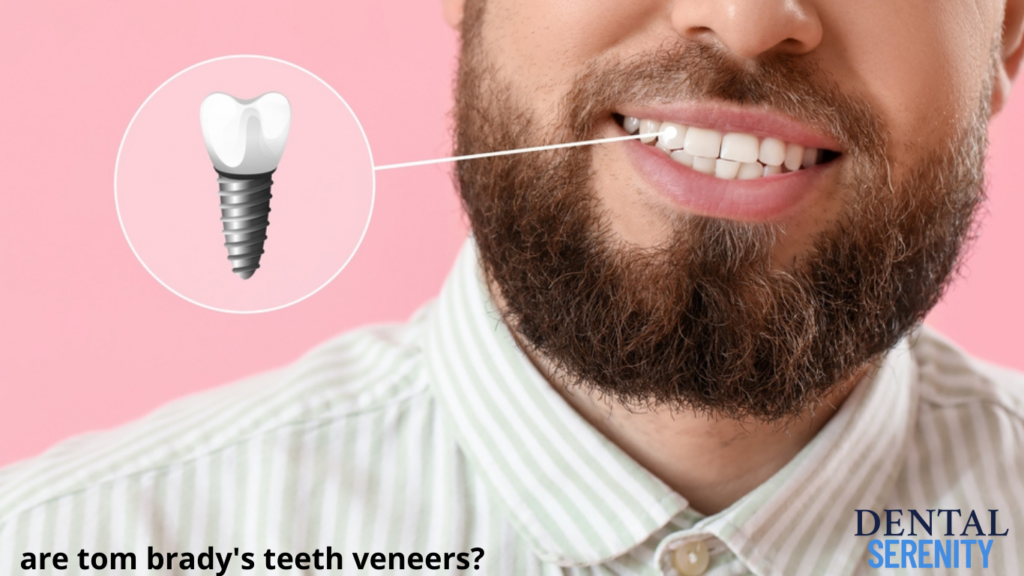
Are Tom Brady’s Teeth Veneers?
February 5, 2026

What is the 80/20 Rule in Dentistry?
February 4, 2026